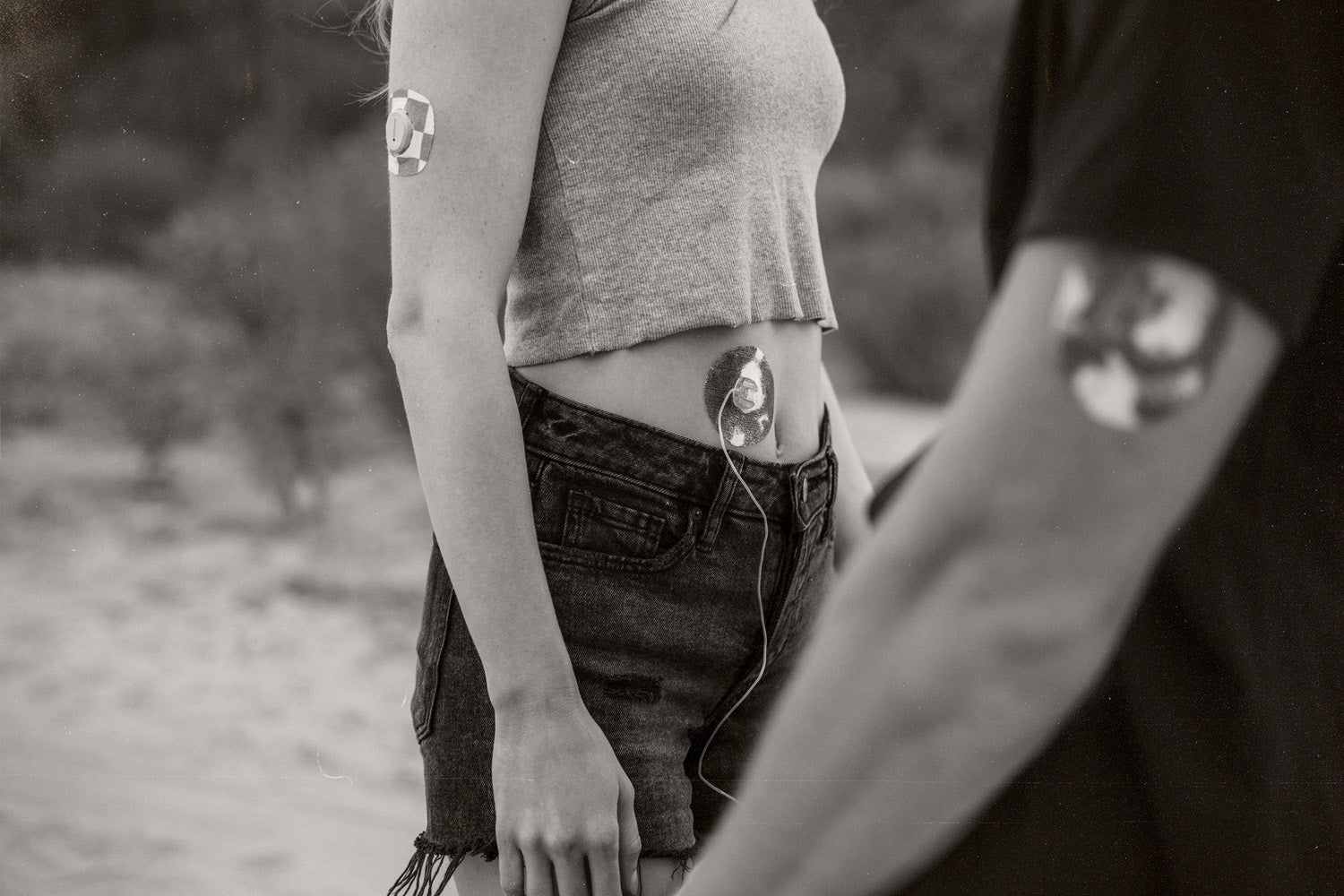
Nothing tests your diabetes preparedness quite like needing a supply that's sitting at home.
Maybe your pump site fails halfway through the workday, your CGM starts peeling while you're out, or you reach into your bag for a low snack and realize you ate the last one yesterday.
A well-stocked backup kit can make those situations a lot easier to handle. And you don't need to carry an entire pharmacy to be prepared.
Here are a few essentials worth making room for in your everyday bag, along with some products that make managing diabetes on the go a little easier.
1. Low Snacks That Are Ready When You Need Them
Fast-acting glucose is one of the most important things to keep within reach. And since low treatments have a habit of disappearing from bags, jackets, and pockets, it's worth keeping a dedicated stash in your kit.
Our pick: Glow Gummies
Glow's resealable gummy pouches are especially convenient for carrying on-the-go. They're made with fast-acting dextrose, making it easy to portion the amount you need according to your low-treatment plan.
Choose a flavor you genuinely enjoy, and keep an extra pouch handy for when your original stash runs out.
2. Something to Save a Peeling Site
A lifting CGM or pump adhesive can turn an otherwise ordinary day into an unexpected site change. Having a little extra adhesive protection on hand can help you deal with peeling edges before they become a bigger issue.
Our pick: Skin Grip Tape Roll
Skin Grip's Tape Roll can be cut to fit your needs, making it especially useful for reinforcing lifting adhesive or adding extra security around a sensor or pump site.
Cut a few strips ahead of time and tuck them into your kit. They'll take up virtually no space, and you'll be glad to have them when your adhesive starts giving up.
3. Adhesive Remover Wipes for Unexpected Site Changes
When a sensor fails early or you need to replace a pump site away from home, removing stubborn adhesive can be its own challenge.
Our pick: Skin Grip Adhesive Remover Wipes
Individually packaged adhesive remover wipes are easy to slip into a small pouch and can help loosen adhesive residue during an unexpected device change.
Consider packing an alcohol wipe as well, so you have what you need to prepare a fresh site according to your device's instructions.
4. A Way to Protect Your Insulin From Heat
Insulin and extreme temperatures aren't a great combination. If you're carrying backup insulin during warm weather, commuting, or spending extended time outdoors, a temperature-management solution can be a useful addition.
Our pick: FRÍO Cooling Wallets
FRÍO wallets use water-activated evaporative cooling, so they don't require ice packs or refrigeration to operate. They're reusable and come in different sizes for insulin pens and vials.
Keep in mind that FRÍO wallets are designed for suitable in-use insulin storage, not as a replacement for refrigeration when it's required. Always check your insulin manufacturer's storage instructions, and allow airflow around an activated wallet.
5. The Supplies That Match Your Diabetes Tech
This part of your kit will look different depending on how you manage your diabetes.
If you use an insulin pump, consider keeping an extra infusion set or pod, along with any supplies needed for a site change. If you use injections, spare pen needles or syringes may be more useful.
A backup blood glucose meter, compatible test strips, and a lancing device are also worth having, even if you use a CGM. They're especially important when sensor readings don't match how you're feeling.
For longer days away from home, a spare CGM sensor and a compact charging cable or power bank can also earn their place.
And if you use a pump, make sure you have a separate, clinician-approved plan for interrupted insulin delivery, including access to backup insulin and syringes.
6. DietDetector Strips for Double-Checking Drinks
You know you asked for diet coke. Keeping DietDetector strips on hand can save you the rage bolus later.
Our pick: DietDetector Strips
These compact test strips can help you check whether a drink contains sugar, making them especially useful for fountain drinks, coffee orders, and takeout. They're small enough to keep in your wallet or supply pouch, so you can double-check a questionable drink before taking a sip.
7. A Case That Keeps Everything Together
Having backup supplies is helpful. Being able to find them when you need them is even better.
A dedicated diabetes case can make it easier to keep your supplies organized, whether you want something small enough for your everyday bag or a larger organizer for travel.
A few options we like from The Useless Pancreas:
- Diabetes Supply Case II: A compact wristlet-style case that's easy to carry on its own or toss into a larger bag. Great for everyday essentials.
- Glucology Diabetes Travel Case: A protective hard-shell organizer for keeping meters, insulin pens, and other supplies secure during travel.
- Dia-Pak Classic: A roomier organizer with compartments for supplies and a reusable gel pack, useful when you need to carry more than your everyday basics.
The best case is one that fits the supplies you actually use and is convenient enough to bring with you regularly.
A Few Things Worth Saving on Your Phone
Some of the most useful backup supplies don't take up any physical space.
Keep an updated screenshot of your insulin pump settings somewhere secure and accessible. If your pump needs to be replaced or reset, having those settings available can save time.
It's also helpful to have your diabetes care team's contact information, device manufacturer support numbers, and written pump-failure instructions saved for easy reference.
And make sure prescribed emergency glucagon is accessible, with people around you who know how to use it.
Keep It Simple, and Keep It Stocked
Your everyday backup kit doesn't need to cover every possible scenario. Start with the supplies you're most likely to need unexpectedly, then adjust based on your routine.
Every so often, take a quick look inside to replace used low snacks, check expiration dates, and make sure your supplies still match your current devices. Avoid leaving temperature-sensitive supplies in a parked car.
A few thoughtfully chosen essentials can make the difference between a minor inconvenience and having to rearrange your entire day. And when diabetes has other plans, it's nice to have a backup of your own.