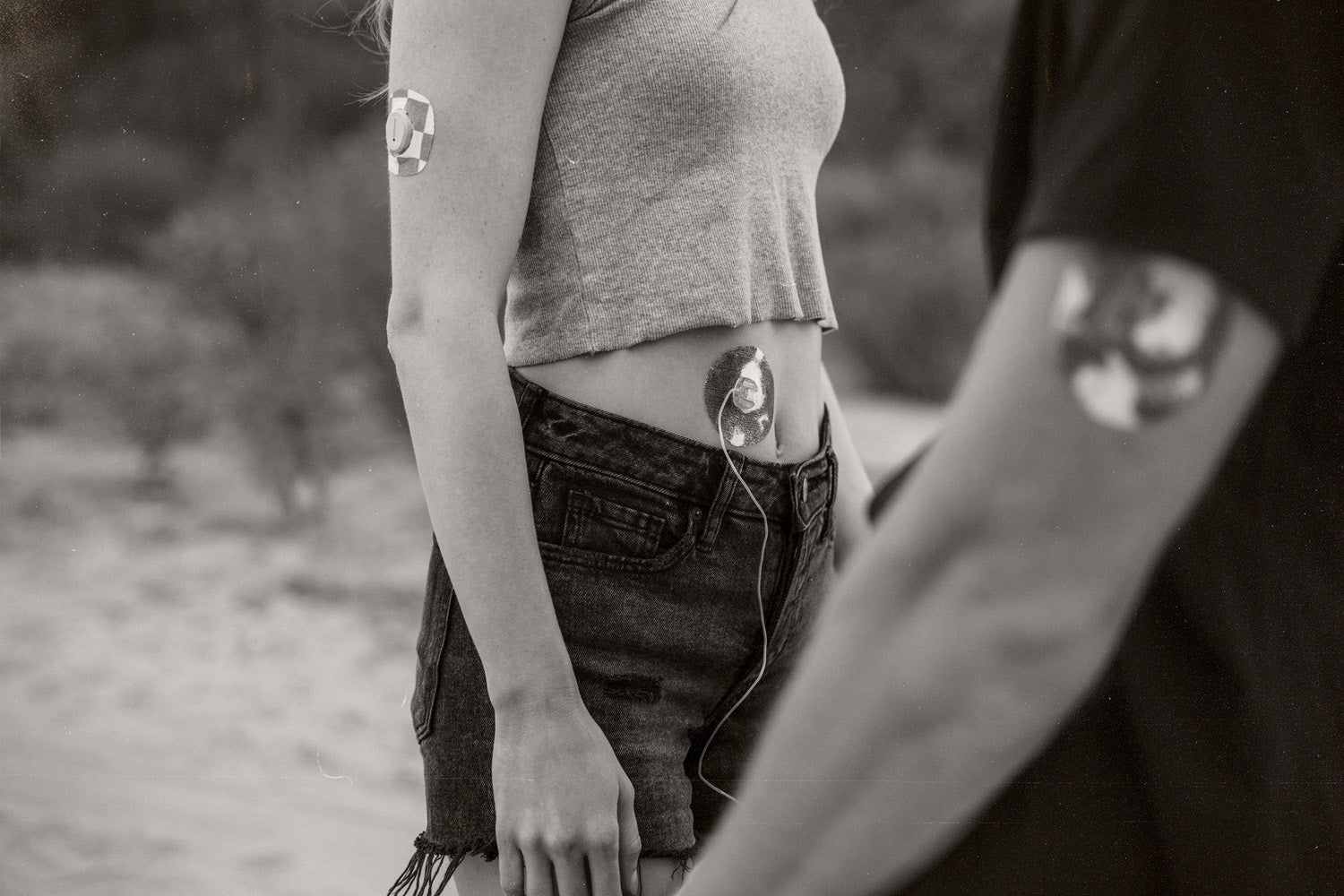
Type 1 diabetes research has never been busier.
Every year, researchers launch new clinical trials exploring better ways to treat, prevent, and one day fundamentally change the course of type 1 diabetes. Some are focused on slowing the autoimmune attack that causes the disease. Others are working to replace the insulin-producing cells that have been lost. And some are tackling one of the biggest remaining challenges: helping those new cells survive for the long term.
Here are some of the clinical trials generating the most excitement in the type 1 diabetes community today.
Preserving Beta Cells After Diagnosis
For decades, diabetes treatment has largely focused on replacing the insulin the body can no longer produce.
A growing area of research asks a different question: what if we could preserve the insulin-producing beta cells that remain after diagnosis?
Researchers know that many people continue producing small amounts of insulin for months (or even years) after being diagnosed with type 1 diabetes. Several clinical trials are investigating whether immune therapies can protect those remaining cells and extend their function.
Baricitinib
Originally approved to treat rheumatoid arthritis, baricitinib is now being studied as a way to slow the immune attack responsible for type 1 diabetes. Early research suggests it may help preserve insulin production in people who have been recently diagnosed, though larger studies are still needed to understand its long-term role in diabetes care.
Anti-Thymocyte Globulin (ATG)
Another promising approach involves anti-thymocyte globulin (ATG), an immune-modulating therapy that's been used in transplantation medicine for years. Researchers are studying whether carefully adjusting the immune response shortly after diagnosis can help preserve beta cell function and extend what's commonly known as the honeymoon phase.
Why it matters: Even preserving a small amount of natural insulin production can make blood sugar management easier and may reduce the risk of severe hypoglycemia and long-term complications. Researchers aren't trying to stop diabetes overnight – they're trying to help the body hold onto what it still has.
Delaying Type 1 Diabetes Before It Starts
One of the biggest shifts in diabetes research is happening before someone is ever diagnosed.
Scientists now understand that type 1 diabetes develops gradually, often years before symptoms appear. During that time, the immune system is already attacking insulin-producing cells, even though blood sugars may still be normal.
That discovery has opened the door to prevention studies.
TrialNet
TrialNet is one of the world's largest type 1 diabetes research networks. Through screening programs for relatives of people with type 1 diabetes, researchers can identify individuals who are at increased risk long before symptoms develop.
Those discoveries have led to numerous prevention studies aimed at slowing or delaying disease progression.
Tzield (Teplizumab)
One of the biggest milestones to come out of this work is Tzield (teplizumab), the first FDA-approved therapy shown to delay the onset of Stage 3 type 1 diabetes in certain high-risk individuals. While Tzield is now an approved treatment, researchers continue to study how similar immune therapies—or combinations of therapies—might delay diagnosis even longer or benefit additional groups of people.
Why it matters: These studies are changing the conversation from treating type 1 diabetes after diagnosis to potentially delaying it before symptoms even begin.
Replacing the Cells Lost to Type 1 Diabetes
Perhaps the most closely watched area of research today is cell replacement therapy.
Instead of improving insulin delivery, these studies are attempting to restore the body's ability to produce insulin by replacing the beta cells destroyed by the immune system.
Vertex Pharmaceuticals
Vertex has become one of the biggest names in this space with zimislecel (formerly VX-880), an investigational therapy created from stem cell-derived islet cells. The treatment is designed to replace insulin-producing cells in people with type 1 diabetes, allowing the body to once again make its own insulin. Early clinical results have been encouraging, with several participants achieving insulin independence following treatment while receiving immunosuppressive therapy. Larger studies are now underway to evaluate long-term safety and effectiveness.
Vertex also explored a second program, VX-264, which aimed to protect transplanted cells inside an implanted device to avoid lifelong immunosuppression. Although that program has since been discontinued, the broader goal of protecting transplanted cells without suppressing the immune system remains an active area of research.
Why it matters: These studies aren't focused on making insulin therapy better. They're exploring whether the body can regain the ability to produce insulin at all.
Making Cell Therapy Safer
Replacing beta cells is only part of the challenge.
The immune system still recognizes those new cells as something to attack, which is why many transplant recipients currently require lifelong immunosuppressive medications.
Several clinical trials are focused on improving that process.
Eledon Pharmaceuticals
Eledon is studying tegoprubart, an investigational anti-CD40L antibody designed to protect transplanted islet cells while potentially avoiding some of the drawbacks associated with traditional immunosuppressive medications. Recent investigator-led studies at the University of Chicago have shown encouraging results, with participants achieving insulin independence following islet transplantation while maintaining stable graft function.
Sernova
Sernova is taking a complementary approach with its Cell Pouch platform, a small implanted device designed to house insulin-producing cells in an environment where they can survive and function. The company is evaluating the Cell Pouch alongside newer immunosuppressive strategies, including a collaboration with Eledon to study tegoprubart as part of its ongoing clinical program.
Why it matters: Replacing insulin-producing cells is only half the battle. Finding safer, less toxic ways to protect those cells could make future cell therapies a realistic option for many more people living with type 1 diabetes.
Final Thoughts
Clinical trials rarely produce overnight breakthroughs. Progress usually happens one carefully designed study at a time.
Today's investigational therapies won't change diabetes care tomorrow, but they are helping answer important questions that could shape the future of treatment for years to come.
Type 1 diabetes research isn't moving in just one direction. It's advancing on multiple fronts, with scientists around the world working toward the same goal: improving life with type 1 diabetes through smarter, safer, and more effective therapies.
Clinical trials evolve quickly as new participants enroll, studies conclude, and additional data become available. This article reflects the current research landscape at the time of publication and highlights several of the most closely watched clinical trials in type 1 diabetes.