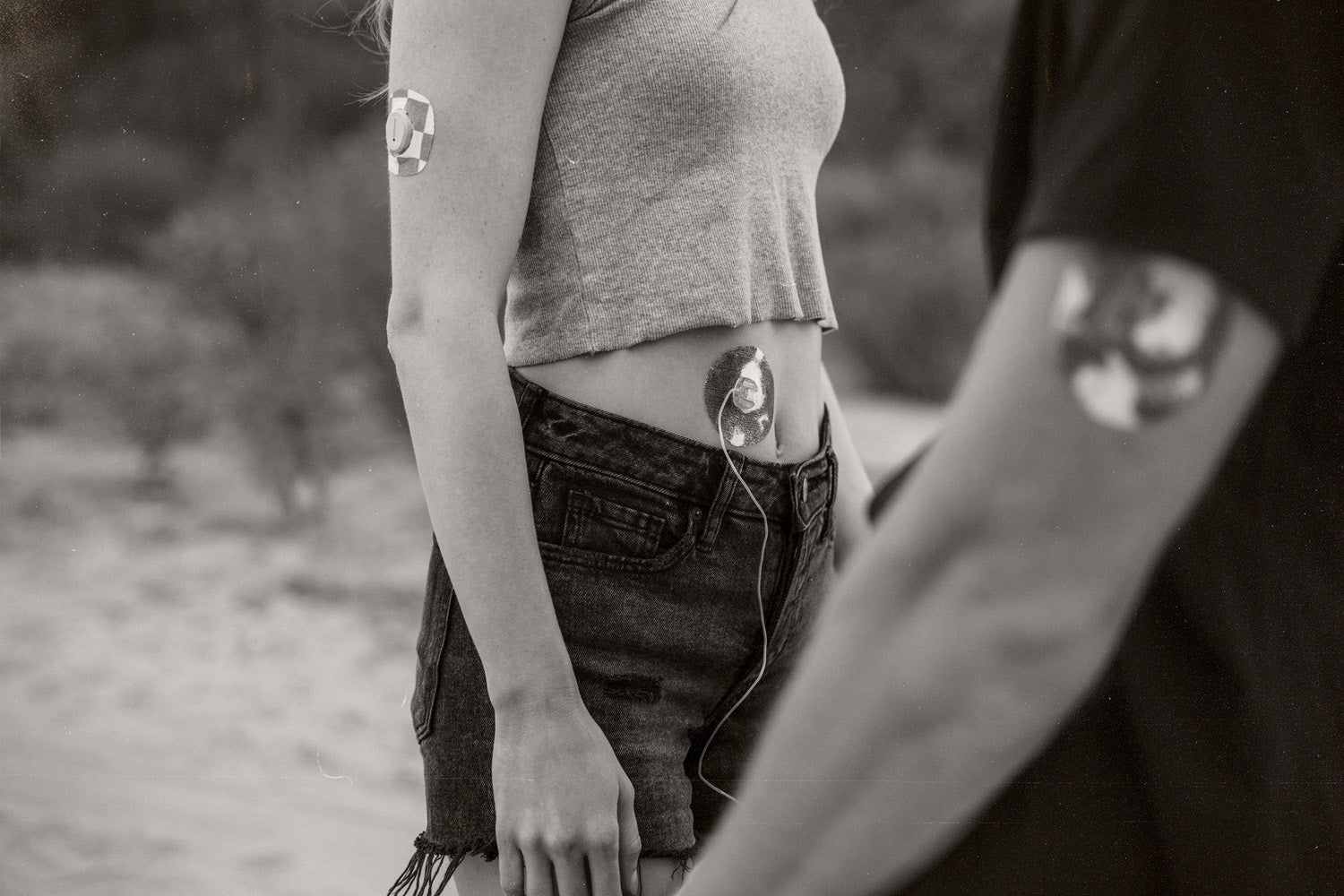
Summer tends to shake up routines in the best possible way. Longer days, beach trips, pool time, vacations, workouts outside, concerts, camp weekends, and spontaneous plans all start filling the calendar. At the same time, warmer weather can make diabetes management feel a little less predictable.
Sensors peel early, sites sweat loose, and blood sugars can respond differently in the heat.
A solid summer setup is not about being perfectly prepared for every scenario. It’s about making sure your diabetes tech and supplies can keep up with the way you actually want to spend your summer.
Heat Changes More Than You Think
One of the biggest surprises about summer is how much heat can affect diabetes management.
Hot weather can:
- Increase insulin absorption
- Make lows happen faster during activity
- Affect hydration levels
- Loosen adhesives more quickly
Even devices themselves are not immune to heat. Leaving insulin, sensors, or pumps in a hot car or direct sun for too long can create problems fast.
Summer often requires a little more flexibility and awareness, especially during long days outside.
Your Adhesion Strategy Matters More in Summer
Sweat, sunscreen, swimming, humidity, and movement can all shorten the lifespan of a sensor or infusion site.
This is usually the time of year when people start experimenting more with:
- Different placement locations
- Extra adhesive support
- Skin prep routines
- Overpatches and tapes
A setup that works perfectly in February may not hold up the same way during July beach days or outdoor workouts.
Think Through Your Summer Routine Ahead of Time
One of the easiest ways to make summer management feel smoother is to think proactively about the situations you’ll be in most often.
A few examples:
- Long days at the pool
- Outdoor workouts
- Travel days
- Summer camps
- Festivals or concerts
- Beach vacations
- Hiking or camping trips
Different activities may call for different placement choices, backup supplies, or routines. Thinking through those details ahead of time can prevent a lot of mid-summer frustration.
Build a Summer “Go Kit”
Summer schedules tend to be less predictable, which makes having supplies packed and ready even more helpful.
A small diabetes go kit might include:
- Low snacks that hold up in the heat
- Backup sensors or infusion sets
- Adhesive wipes or overpatches
- Charging cables or battery packs
- Sunscreen
- Water
- Backup insulin with a cooler bag
- Ketone strips
- A change of tape or adhesive remover wipes
The goal is not carrying your entire diabetes supply closet everywhere you go. It’s having enough nearby to feel less stressed if plans change unexpectedly.
Water and Diabetes Tech Can Be a Tricky Combination
Pool days and beach trips sound relaxing until a site starts peeling halfway through the afternoon.
Even when devices are labeled water-resistant, long stretches in water combined with sunscreen, sweat, and movement can still affect adhesion. Some people prefer reinforcing their sites before swimming days instead of waiting until things start lifting.
Summer activities also tend to involve more towel changes and movement, both of which can accidentally catch on devices throughout the day. Plus, sunscreen has been reported to damage the outer casing of devices like Omnipod pods, potentially causing small cracks that can allow water inside or contribute to leaking issues. Applying sunscreen carefully around devices instead of spraying directly over them can help reduce the risk, especially during long beach or pool days.
Travel Adds Another Layer
Summer travel often means:
- More time in transit
- More supplies to organize
- Different eating schedules
- Less predictable routines
Packing extra supplies becomes especially important during travel season. Delayed flights, heat exposure, lost luggage, and long travel days are stressful enough without trying to stretch your last sensor another day longer than intended.
Many people also do not realize they can bring a separate medical supply bag on flights in addition to their standard carry-on allowance. Keeping diabetes supplies with you instead of checked luggage is always the safer move.
Your Setup Should Support Your Summer, Not Limit It
One of the hardest parts of diabetes in the summer is the feeling that every activity requires extra planning.
Sometimes it does. But the right setup can make things feel much more manageable.
That might mean:
- Choosing different site locations during warmer months
- Keeping more backups nearby
- Simplifying what you carry
- Reinforcing devices before long active days
- Adjusting routines around heat and activity
Small changes can create a lot more freedom and confidence once summer gets busy.
Final Thoughts
Summer rarely follows a perfect routine, and diabetes usually notices that first.
The goal is not having flawless blood sugars through every vacation, pool day, workout, or late-night ice cream run. It’s building a setup that helps your devices stay secure, your supplies stay manageable, and your stress stay a little lower while you enjoy the season.
A good summer setup should make it easier to focus less on your diabetes gear and more on everything you actually want to be doing.