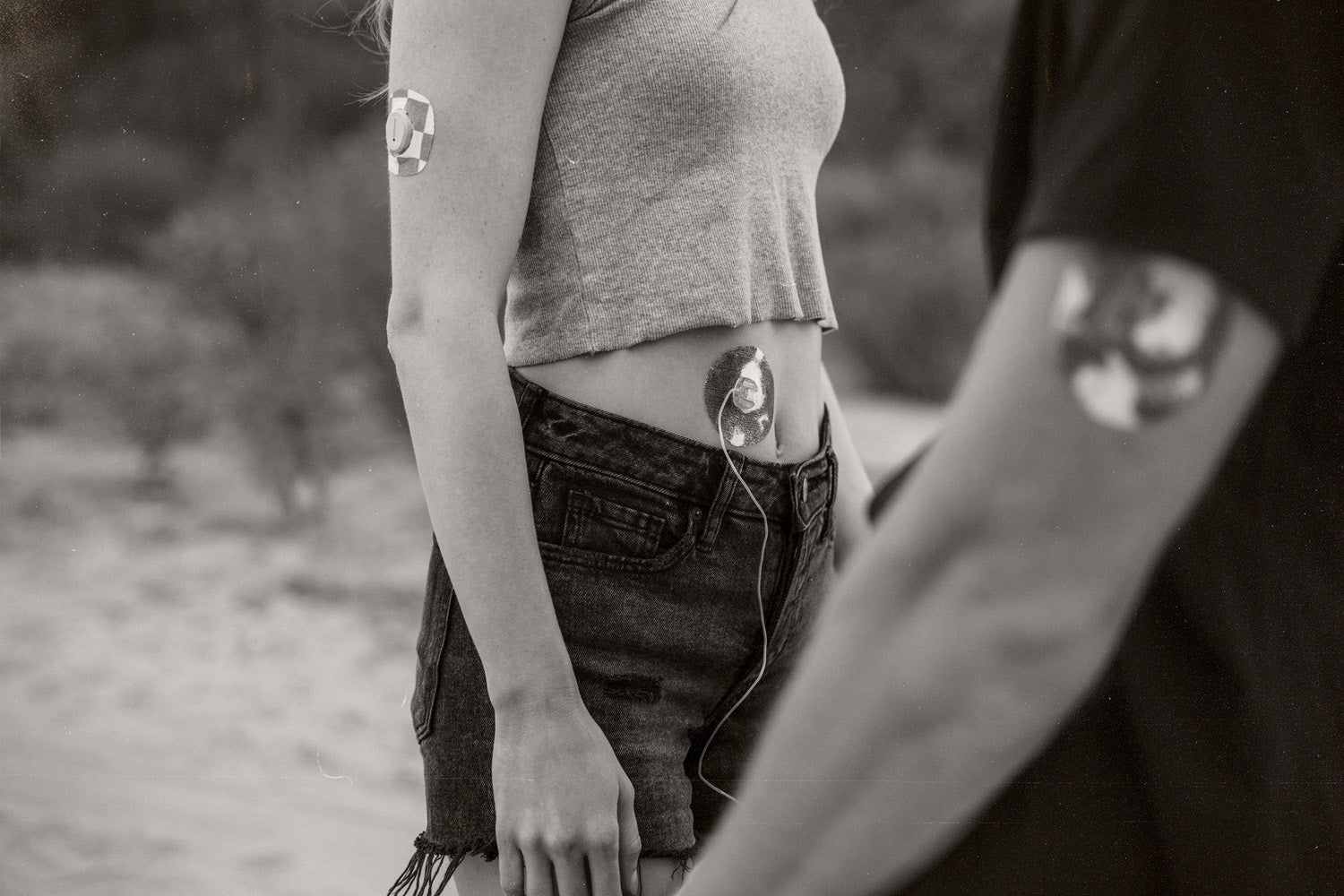
CGMs changed how we see glucose. Now, diabetes tech is starting to track another important number.
For years, continuous glucose monitors have given people with diabetes something that once seemed impossible: a nearly constant view of what their blood sugar is doing.
Now, the next evolution of continuous sensing is starting to take shape.
In May 2026, Abbott received CE Mark for Libre Duo, the world's first sensor designed to continuously monitor both glucose and ketones. Instead of reaching for a blood ketone meter or urine strip when something feels off, this new generation of technology could eventually make ketone information available alongside glucose data throughout the day.
For people at risk of diabetic ketoacidosis (DKA), especially those who rely on insulin, that extra information could offer an earlier look at a problem that can escalate quickly.
Why Ketones Matter
Ketones aren't inherently bad. Your body produces them when it burns fat for energy instead of glucose.
The concern for people with diabetes is when ketone levels rise because there isn't enough insulin available. Without sufficient insulin, ketones can accumulate in the blood and potentially progress to DKA, a serious and life-threatening complication.
For people with type 1 diabetes, checking ketones has traditionally been something you do in response to a specific situation. You might reach for a blood ketone meter or urine strips when you're sick, experiencing symptoms of DKA, dealing with unexplained high blood sugar, or wondering whether a pump or infusion site is actually delivering insulin.
The ADA currently recommends that people at risk for DKA have access to ketone testing and check when symptoms or circumstances suggest an increased risk, particularly during illness, missed insulin doses, or elevated glucose.
Continuous ketone monitoring could change that relationship entirely.
Think CGM, But for Ketones
The concept will sound familiar to anyone who remembers diabetes before CGMs became commonplace.
A blood glucose meter tells you what your glucose is when you decide to check it. A CGM gives you a much fuller picture by collecting readings continuously, including during the stretches of time when you aren't actively thinking about diabetes.
Ketone monitoring today still largely operates like the first scenario. You have to recognize that there may be a problem and decide to test.
A continuous ketone monitor could add visibility between those individual checks, showing when ketones begin to rise and how they're changing over time.
That distinction matters because DKA doesn't always arrive with an obvious glucose warning. The ADA notes that approximately 10% of people experiencing DKA present with glucose below 200 mg/dL, a condition known as euglycemic DKA.
In other words, glucose can tell us a lot, but it can't tell us everything.
Meet Libre Duo
Abbott's Libre Duo is the first major product bringing continuous glucose and ketone sensing together in a single wearable sensor.
The system measures both glucose and beta-hydroxybutyrate (BHB), the primary ketone measured in blood when assessing for ketosis and DKA. According to Abbott, both measurements are taken every minute, allowing users to see glucose and ketone information together rather than relying on separate testing methods.
Abbott has announced two versions: Libre Duo, designed for up to 15 days of wear, and Libre Duo 10 Day, designed for up to 10 days. The systems integrate with Abbott's Libre digital ecosystem, allow data sharing with caregivers and healthcare professionals, and are being designed for compatibility with automated insulin delivery systems.
Though the Libre Duo 15 day isn't approved in the US yet, Abbott has received FDA approval for the 10 day version and expects to roll the sensor out by the end of 2026.
Why Pump Users Could Especially Benefit
Anyone who relies on insulin can develop DKA, but pump therapy introduces a particular vulnerability.
People using insulin pumps generally receive rapid-acting insulin continuously rather than having a separate dose of long-acting insulin working in the background. If insulin delivery is interrupted because of an occlusion, dislodged infusion set, leaking pod, or other device problem, ketones can begin developing relatively quickly.
The ADA specifically notes that infusion-set dislodgement and occlusion can put pump users at risk for ketosis and DKA and need to be recognized early.
A continuous ketone sensor could potentially add another layer of information in these situations.
Imagine seeing your glucose climbing after a site change. Right now, you might troubleshoot the site, give insulin, wait to see what happens, and eventually check ketones if the high persists.
Continuous ketone information could help show whether that stubborn high is simply a stubborn high or whether ketones are beginning to rise alongside it.
It wouldn't replace knowing how to troubleshoot a pump failure or following your diabetes care team's sick-day plan. But it could provide another piece of information when you're trying to figure out what's happening.
It Could Also Change Sick Days
Sick days are another time when ketone testing suddenly becomes much more important.
Illness can increase the risk of both high and low glucose, and the ADA recommends more frequent glucose monitoring during illness along with blood or urine ketone monitoring for people prone to ketosis.
The problem is that checking ketones requires you to remember to do it.
When you're already dealing with nausea, fever, dehydration, unpredictable blood sugar, and the general misery of being sick, adding another manual diabetes task isn't exactly ideal.
Continuous monitoring could make it easier to spot rising ketones sooner and follow their direction over time.
More Information Isn't Always Better
Of course, people with diabetes know better than most that more data isn't automatically more helpful.
CGMs have transformed diabetes care, but they've also introduced more alarms, more numbers, and more opportunities to watch every small fluctuation. Adding another continuous metric raises reasonable questions about how alerts should work, when a ketone change actually requires action, and how to provide useful information without creating another number people feel obligated to watch all day.
Continuous ketone monitoring will need more than accurate sensors. It will need thoughtful thresholds, clear guidance, and systems that help people understand when the information matters.
After all, the value isn't simply knowing your ketone level every minute. It's being able to recognize a meaningful change early enough to do something about it.
Could Continuous Ketone Monitoring Help Prevent DKA?
This is where the technology becomes especially interesting.
Rather than discovering elevated ketones after symptoms develop or a high blood sugar refuses to budge, continuous monitoring could potentially identify a rising trend earlier.
The ADA's 2026 Standards of Care specifically point to the anticipated availability of continuous ketone monitors as a potential future approach to DKA prevention. Research is still needed to determine exactly how these devices should be used and whether continuous monitoring translates into fewer DKA events in everyday life.
That distinction is important. Libre Duo represents an exciting new monitoring capability, but continuous ketone sensing hasn't yet made DKA a thing of the past.
For now, people at risk should still follow their established ketone-testing and sick-day guidance.
What's Next?
Libre Duo's European clearance marks an important milestone, but this category of diabetes technology is still at the beginning.
The bigger story may be what happens when continuous ketone data begins interacting with the rest of the diabetes tech ecosystem.
Abbott says Libre Duo is designed to be compatible with leading automated insulin delivery systems. In the future, having both glucose and ketone information available could potentially give diabetes algorithms another signal for recognizing interrupted insulin delivery or other situations that increase DKA risk.
Exactly how that information will be incorporated into automated systems remains to be seen.
But we've watched this progression before.
Fingersticks gave us individual glucose readings. CGMs gave us trends. Automated insulin delivery systems learned to use those trends to adjust insulin.
Continuous ketone monitoring adds another piece of information that diabetes technology has never had access to in real time.
Final Thoughts
CGMs changed diabetes care by making glucose visible between fingersticks. Continuous ketone monitors could bring that same shift to another important part of diabetes management.
For now, blood ketone meters and urine strips remain important tools, and anyone at risk for DKA should continue following the ketone-testing guidance provided by their healthcare team. Libre Duo isn't yet available in the United States, and there's still plenty to learn about how continuous ketone information will fit into everyday diabetes care.
Still, the arrival of the first dual glucose-ketone sensor offers a glimpse at where diabetes technology may be headed next.