News

Back to School with Diabetes: How to Be Prepared, Confident, and Fearless
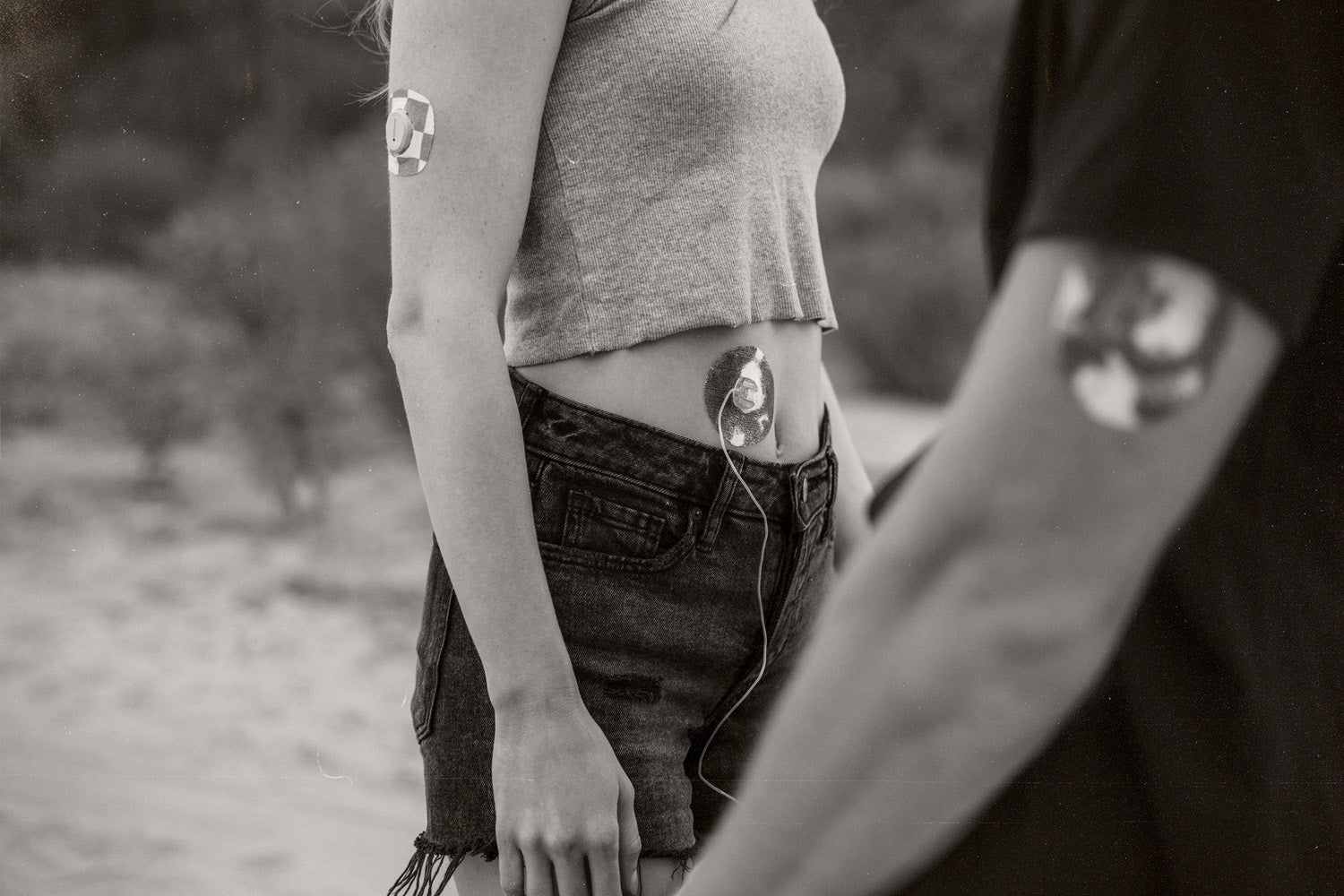
Whether you’re headed into middle school, high school, or college, going back to school with diabetes takes more than just fresh notebooks and a new backpack. It’s about showing up prepared—not just for class, but for anything diabetes throws your way. With a little planning and the right tools, you can walk into the school year feeling ready for anything. Here’s your back-to-school guide to living fearless with diabetes. 1. Stock Up: Build a Diabetes Go Bag for School Before you even think about your first day outfit, make sure your diabetes bag is fully stocked. This might be a pouch you keep in your backpack, a locker stash, or something your school nurse holds on to. Either way, it should include: Backup pump supplies (infusion sets, reservoirs, charging cables) Extra CGM sensors or transmitters Alcohol wipes and adhesive remover Low snacks like glucose tabs, juice boxes, or fruit snacks Skin Grip adhesive patches to reinforce your CGM or pump site during long school days, sports, and sticky weather Bonus tip: Label everything. If a friend or teacher ever needs to help grab your stuff in an emergency, it’ll be much easier if they know what’s what. 2. Stick with Confidence: Keep Devices in Place No one wants their pump site peeling off during a presentation or their CGM failing during P.E. Skin Grip patches are made for exactly this kind of chaos. Our adhesive patches are: Waterproof and sweatproof Designed to last 10+ days Flexible enough for sports, dancing, or the hallway stampede in between classes For school days that start early and end with after-school activities, our patches keep your devices stuck and secure so you can focus on everything else. 3. Prep for Lows Like a Pro Even with the best planning, lows can still sneak up. Having a clear plan helps you avoid panic and get back to normal faster. Here’s how to be low-ready: Keep fast-acting carbs in multiple spots (your backpack, locker, pencil case, and car) Let your close friends or classmates know what to do if you’re low and need help Talk with teachers at the start of the year about what a low might look like for you and that you might need to snack in class 4. Don’t Skip the Accommodations Conversation If you’re in a K-12 school in the U.S., you have the right to a 504 plan—a legal document that outlines the diabetes accommodations you need at school. Even in college, you can request accommodations through the disability services office. Consider asking for accommodations like: Permission to test blood sugar or dose insulin in class Unlimited access to water and restrooms The ability to make up tests or assignments if blood sugars interfere Access to the nurse’s office or diabetes supplies at all times Not sure where to start? Organizations like JDRF, ADA, and The Diabetes Link offer great templates and guides. And remember: advocating for yourself is a form of strength, not a weakness. 5. Build Your Support Squad Living with diabetes doesn’t mean you’re in it alone. Find your people early in the school year: Introduce yourself to your school nurse, even if you rarely go there Connect with a few trusted teachers who can check in if something seems off Talk to friends about what diabetes looks like for you (if you’re comfortable sharing) Even one supportive person can make school feel safer. And having a few people who know what’s up with your diabetes means less stress for you when something unexpected happens. 6. Bonus Prep: Mindset + Motivation Back-to-school season can bring nerves for anyone, but especially if you’re balancing blood sugars, tech devices, and social stuff. Here’s your reminder: you are not a burden. You are capable. You are allowed to pause, to take care of yourself, to take up space in the nurse’s office, to snack in the middle of class. Diabetes doesn’t make you “other.” It makes you experienced, adaptable, and tough. If you’re feeling anxious, try these quick mental resets: Set one small goal each week (like logging your numbers or remembering your backup snacks) Celebrate wins, no matter how small Wear something that makes you feel good on the first day, including your favorite patterned Skin Grip patch! Your vibe matters. Final Thoughts: Start Strong, Stay Supported You deserve a school year that’s filled with wins, both academic and personal. With the right tools in your backpack, supportive people on your side, and fearless confidence in yourself, there’s nothing diabetes can keep you from doing. And remember, Skin Grip is with you every step of the way. Our patches are built for real life: long days, gym class, and whatever else school throws at you. Let’s make this year your strongest yet.

How to Customize Alarms and Alerts on Your CGM: A Guide for Dexcom Users
Whether you’re the type to snooze through your CGM alarms or one more beep from launching it into orbit, adjusting the tone, frequency or glucose thresholds can make all the difference in keeping you safe and sane.

Skin Grip Diabetes Scholarship: A Scholarship for Students with Diabetes
Earning a degree is badass. Earning a degree while living with diabetes is superhuman. This is why we created the Skin Grip Diabetes Scholarship - to help ease the financial burden that college students with diabetes face so they can focus more on education and less on worrying about the costs that come with it.

When Will the Omnipod 5 App be Available for iPhone?
Since the release of the Omnipod 5 system, iPhone users have been eagerly waiting for the announcement of the Omnipod 5 App for iPhone. Right now, iPhone users must carry a separate device to control the Omnipod 5 system, but once the app is released users will be able to control their device directly from their iPhone. Continue reading to learn more about the Omnipod 5 App for iPhone users.

How Managing Your Diabetes Protects Kidney Health
(stevepb/Pixabay) Because diabetes is a condition that affects the amount of glucose in your bloodstream, it can cause secondary effects on any part of the body with blood flow. In short, it can affect almost every part of the body. One of the most vulnerable and vital body systems affected is the kidneys. Skin Grip is here to provide education on how anyone with diabetes can protect their kidneys. How does diabetes affect my kidneys? Your kidneys are two fist-sized organs that lay on either side of your body, roughly at the bottom of your rib cage. The job of the kidneys is to filter waste out of your bloodstream and excrete it through your urinary system. It accomplishes this job with a system of tiny blood vessels that are called glomeruli. These vessels allow the kidneys to pull waste out of your bloodstream, then return blood to your body. When your blood glucose is too high, it can harm the blood vessels in your body. In small vessels, such as the capillaries and glomeruli in your kidneys, the damage from a high blood glucose level can be permanent as these vessels become scarred and blocked off. Eventually, this renal damage can build up until it causes symptoms. Because the kidneys are highly efficient organs, a person may experience significant kidney damage before experiencing symptoms. Even so, it is critical to protect the kidneys from damage to prevent long-term consequences, especially to the heart. How important are my kidneys? Your kidneys are vital organs, meaning you cannot live without them. Damage to the kidneys can cause high blood pressure, which in turn can cause further damage to blood vessels and the heart. Heart failure due to chronic kidney disease causes shortness of breath, inability to participate in activities, coughing up blood and sputum, and eventually acute heart failure, resulting in death. People with diabetes are significantly more likely to develop congestive heart failure, precisely because of the damage it causes to the small vessels in the kidneys. That seems serious! How can I protect my kidneys? The most important thing to remember is that these risks aren’t a given. People with diabetes can manage their risk for these conditions by managing their underlying condition. The first step is to meet with a doctor and evaluate your current health and diabetes management, then work with your healthcare team to keep your A1c in a healthy range. Depending on the individual, your healthcare team may encourage you to: Take insulin. Insulin is used by type 1 diabetics and some type 2 diabetics to help their bodies metabolize glucose. Manage your blood sugar by using a CGM. Continuous glucose monitors are devices that check your blood sugar every few minutes and constantly update to a display or smartphone. Keeping these devices attached to your arm (with adhesive patches for the Freestyle Libre, Guardian 3, and Dexcom G6) can keep you on top of your blood sugar and keep your kidneys healthy. Maintain a healthy diet. A good diet can help keep your blood sugar down, keep your cholesterol down, and help you maintain a healthy weight. All of these protect your kidneys by preventing damage to your vascular system. Additionally, they prevent the need for medications like statins, which can harm your kidneys. Get active! Regular exercise helps your entire body stay healthy. Cardiovascular exercise will improve your vascular health and protect your kidneys, eyes, and extremities from potential harm from diabetes. Not to mention it makes you feel good and look better! Avoid certain drugs like NSAIDS. If your kidney function is already compromised, your doctor may encourage you to avoid drugs like NSAIDS. This class of drugs includes ibuprofen (Advil) and naproxen (Aleve). These drugs can harm your kidneys, especially when taken frequently. Begin medication therapy to manage your diabetes and protect your kidneys. Your drug regimen is highly individual, but some drugs can help you manage your blood sugar and protect kidney function. If your doctor recommends beginning a drug therapy, be sure to adhere to it daily to get the most out of the medications prescribed to you. How will I know if my kidneys are healthy? Your doctor may use certain lab tests to evaluate your kidney health. Lab tests like BUN (Blood Urea Nitrogen) and Creatinine Clearance can indicate kidney health. Additionally, your doctor may test your urine to evaluate for abnormal levels of glucose and protein. These tests can also determine how well your kidneys are functioning and how well your diabetes is maintained. It is unlikely that you will notice damage to your kidneys until significant damage has occurred, so it is important to follow up with your doctors regularly and do as much as you can to prevent damage before it occurs. Skin Grip is here to help you manage your diabetes by providing comfortable, hypoallergenic tape and adhesive patches for diabetic sensors. If you use a CGM like the Dexcom G6 and Freestyle Libre, or a Medtronic device, you know how important it is to keep your sensors where they should be. Skin Grip gives you peace of mind, knowing your sensors won’t fall off and leave you stuck until you can get a replacement. If you’re interested in giving us a try, request a free sample today.

Could a New Pancreas Be Possible?
(fernandozhiminaicela / pixabay) As a person with diabetes, you know the role the pancreas plays in our lives. For most people, the pancreas is the organ that produces the insulin that cells use to regulate blood glucose levels. People with Type 1 diabetes lack a particular type of cell in the pancreas, rendering it incapable of secreting insulin. As a result, people with diabetes are wholly dependent on insulin injections to manage their blood glucose. What if we can use medical technology to create a new pancreas? Is that even possible? Medical researchers, inventors, and patients are collaborating as we speak to create just such a thing. Artificial pancreas systems are arrays of medical devices that imitate the function of a human pancreas. Because of this, they are sometimes referred to as bionic pancreas. Other names for these systems include closed-loop systems or automated insulin delivery systems. The system consists of a continuous glucose monitor (CGM), an insulin pump, and a glucose meter. These combined devices are used to simulate the function of a human pancreas. The device continuously monitors the amount of glucose in the bloodstream and is capable of increasing, decreasing, or cutting off the supply of insulin to the blood. New models, such as the Medtronic 770G, are capable of all this, in addition to connecting to wireless devices with their smartphone app, which allows users to see their blood glucose in real-time, trends over time, and receive alerts when their blood glucose is too high or too low. How does it work? There are four components that together form the artificial Pancreas Device System: a Continuous Glucose monitor, a Computer-controlled Algorithm, the Insulin Pump, and the patient. Together these components work together to manage insulin and blood glucose levels. Depending on the devices used, there are a few different types of insulin delivery systems, including the suspended threshold, insulin-only systems, and dual-hormone systems. Suspend systems use CGM readings to automatically suspend insulin delivery when blood glucose falls too low. They do not automatically increase insulin delivery. Insulin-only systems can increase or decrease insulin delivery, depending on the blood glucose level. These systems often rely on patients to calculate mealtime doses. Lastly, dual-hormone systems use insulin and glucagon to both raise and lower blood glucose, just as a pancreas and liver would do in the body. Continuous Glucose Monitor If you use our adhesive patches for your Freestyle Libre, Dexcom G6, Medtronic Guardian, or Eversene devices, you know about CGMs. Simply put, they are medical devices that actively sense the amount of glucose in the blood. Users can get minute-by-minute readings of their blood sugar and use that data to plan their own care. Insulin Pump Insulin pumps are devices that release insulin into the body. This insulin is used by the cells to regulate blood glucose levels. While many insulin pumps use presets to automatically release steady amounts of insulin throughout the day, pumps used in an Artificial Pancreas Device System work in combination with the CGM, algorithm, and patient to deliver adjusted doses to the body as blood glucose fluctuates. Computer Controlled Algorithm Software in these medical devices can be used to manage the complex calculations and adjustments that are necessary to automatically regulate the amount of insulin that pumps should release into the body. The algorithm is responsible for combining the function of the CGM and the insulin pump so they can work in concert. This software can be installed into the devices themselves or on a separate device, such as a mobile phone. The Patient The most important part of the artificial pancreas system is the patient, as they are the object this array of devices works on. As their metabolism, activity level, diet, and insulin needs change, their devices are responsible for adapting to their needs. The patient is also primarily responsible for monitoring and maintaining these devices, as sensors need to be replaced and insulin pumps stocked with insulin. Additionally, the patient will need to calibrate these devices until technology improves. What are the drawbacks of an artificial pancreas system? The artificial pancreas system is not completely self-contained or self-managed. Users are still ultimately responsible for managing their blood sugar. Although the CGM and insulin pump are capable of doing most of the work for you, they may need to be calibrated, repaired, or replaced with some regularity. Additionally, the artificial pancreas system can’t yet manage mealtime insulin without input from the user, so it is still necessary to count carbs and input meals into the system. How can I get one? Like other medical devices, there may be some red tape before you can get approval for a full artificial pancreas system. You will need a prescription from a doctor and an insurer to cover the cost of the array. Depending on your coverage, the insurer may not cover the total cost of your system. Another way you may be able to get an artificial pancreas system is by participating in medical studies. Clinical studies are used to determine the efficacy of devices, hormones, software, and other aspects of diabetes management. By participating in research, not only can you gain access to new devices and procedures, but you can help improve the lives of other people with diabetes by offering your feedback on the newest devices. Infographic Are you one of several people with Type 1 diabetes? Then, you are aware of the role of the pancreas in the body and how it does not work as how it should. Did you know that with the evolving medical technology, there is a possibility of creating a new pancreas? Read about this and more in this infographic. Video