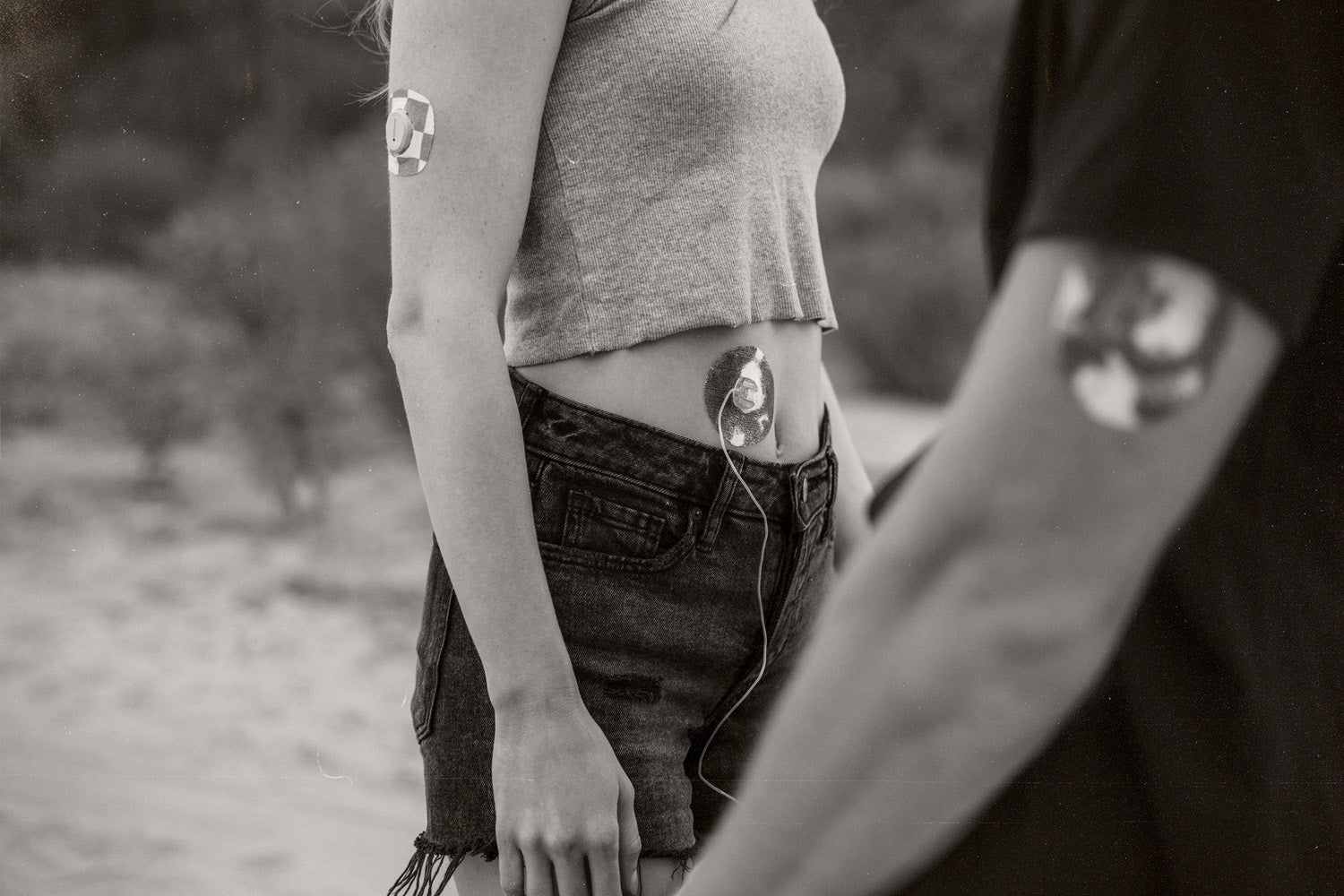

Endurance
Engineered for maximum wear time.

Confidence
Never lose a device.

Freedom
Skin Grip moves with you, never against you.
SHOP BESTSELLERS
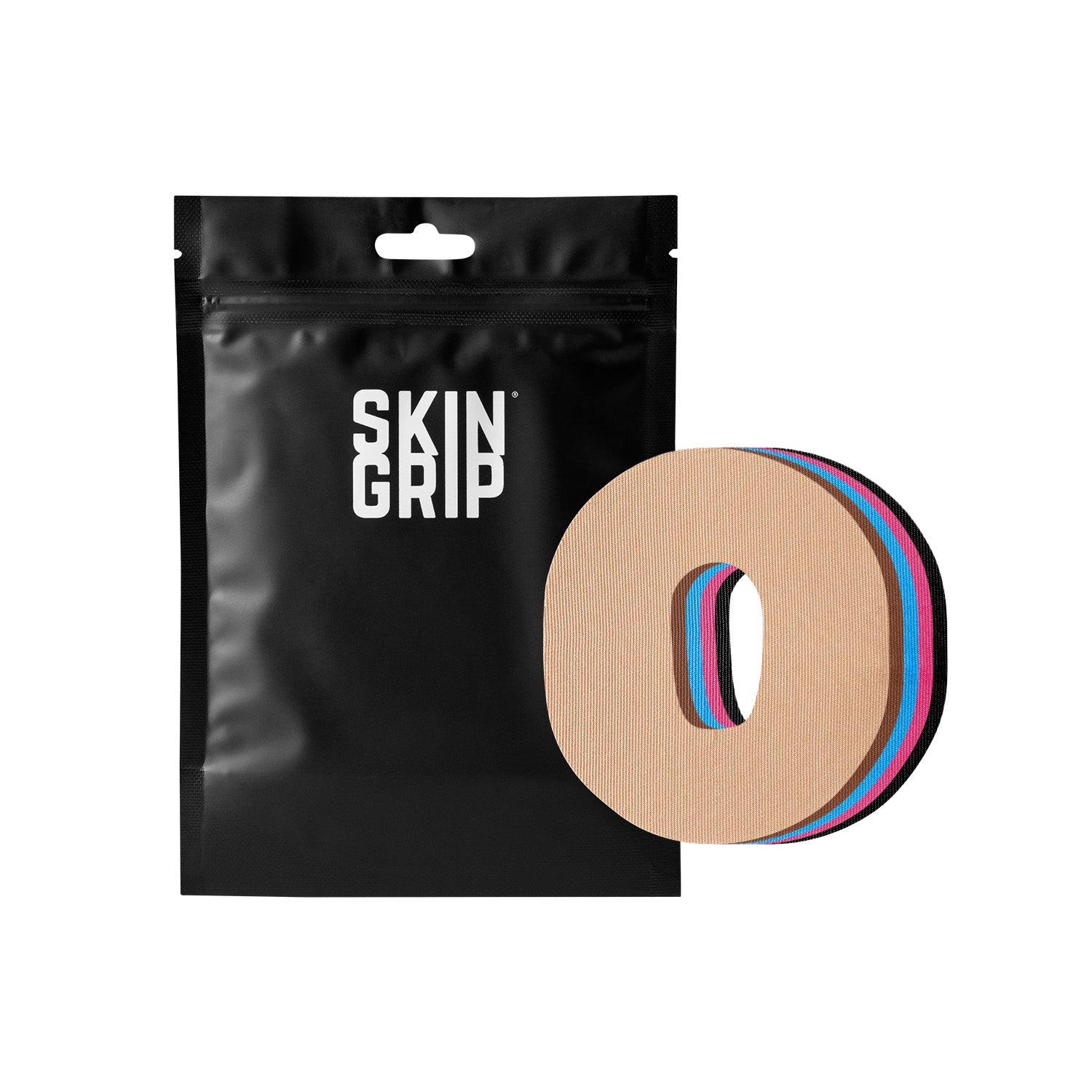
Skin Grip Original - Dexcom G6 Patches


Choose your option
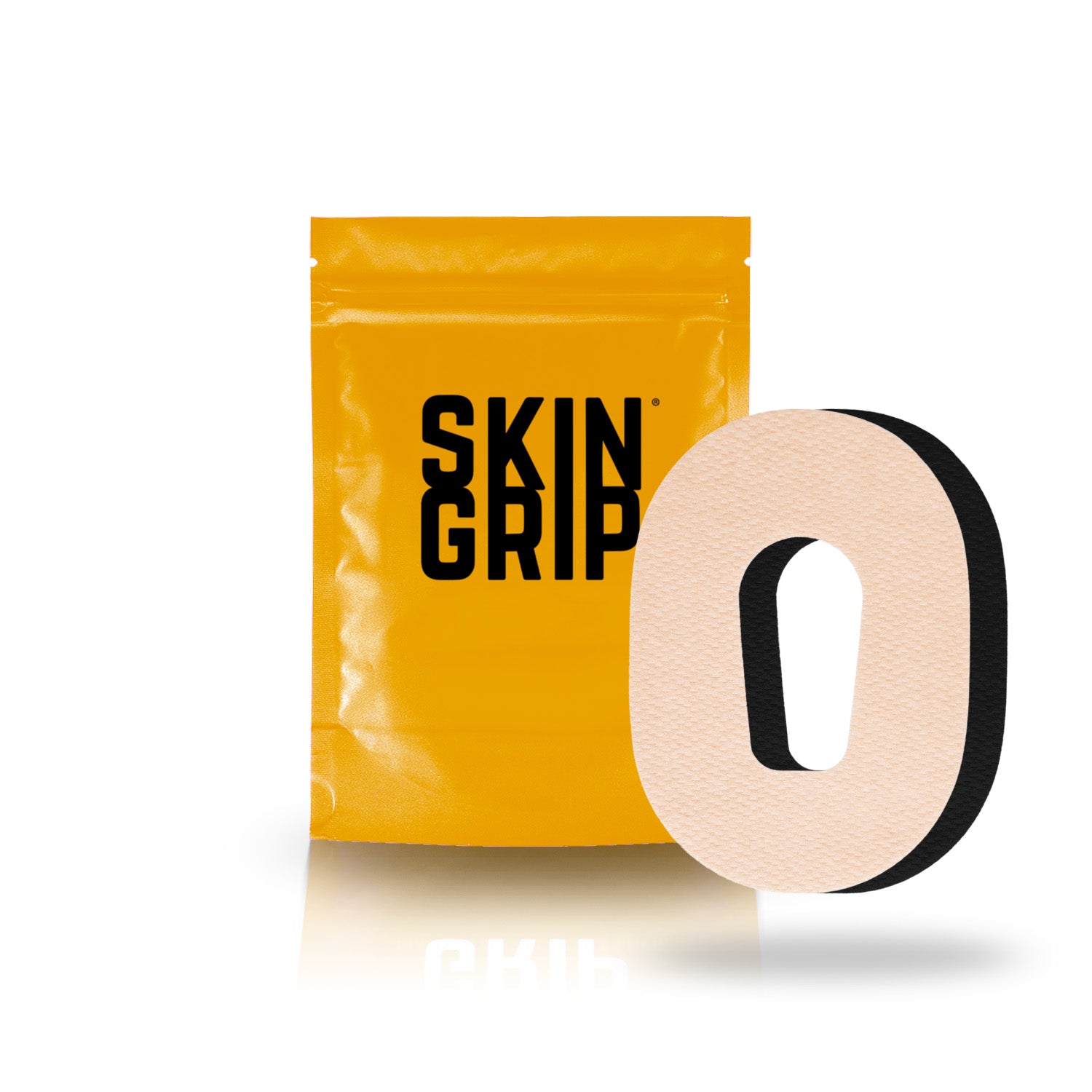
Skin Grip MAX Dexcom G6 Patches - 10 Pack


Choose your option

Skin Grip Original - Medtronic Guardian/Enlite Adhesive Patches


Choose your option

Skin Grip Original - Freestyle Libre 2+ & Lingo Adhesive Patches


Choose your option

Skin Grip Original - Dexcom G7 & Stelo Adhesive Patches (With Cutout)


Choose your option

Skin Grip Original - Omnipod Adhesive Patches


Choose your option
Skin Grip Original - Dexcom G7 & Stelo Adhesive Patches


Choose your option

Skin Grip Original - Libre 3+ Adhesive Patches


Choose your option


Skin Grip - Tandem Mobi Pocket Patch


Choose your option






Sensors Saved
Trusted By




Say Goodbye To
Sensor Failure Mid-Routine
Adhesion built to last through motion, sweat, and time.
Manufacturer Replacements on Repeat
Designed for reliability — not replacements.
Waiting on New Sensors to Arrive
Every patch extends your wear. Every day counts.
Losing a Reading When Life Gets Close
Holds steady through hugs, heat, and high impact.
Returning to Fingerpricks and Frustration
Performance that stays put. Confidence that stays on.
→ Built to grip. Made to stay.
DIABETES MANAGEMENT
Your go-to hub for tips, tricks, and real talk on living boldly with diabetes

Why Exercise Can Send Your Blood Sugar Up or Down
Exercise is good for us for plenty of reasons, but when you have diabetes, its effect on blood sugar can sometimes feel anything but predictable. Different types of movement can send glucose in opposite directions, and even the same activity won't necessarily affect you the same way every time. There is some science behind the chaos. Why Exercise Often Lowers Blood Sugar When you move, your muscles need energy. Glucose is one of the fuels they can use, and working muscles can take up glucose during activity even without relying entirely on insulin. Exercise also increases insulin sensitivity, which means your cells can use available insulin more effectively during and after activity. That's why activities like walking, jogging, cycling, swimming, and other forms of steady aerobic exercise often cause glucose to fall. For someone who takes insulin, there's another important factor: insulin on board. Your body can't automatically turn down injected insulin in the same way a functioning pancreas can reduce its own insulin secretion when you start moving. If you exercise while a significant amount of insulin is active, you may suddenly have both insulin and muscle activity working to move glucose out of your bloodstream. That's when the downward arrow can appear fast. So Why Can Exercise Make Blood Sugar Go Up? This is where things get interesting. Exercise is physical stress, and when that stress becomes intense, your body releases hormones such as adrenaline. Those hormones tell your liver to release stored glucose into your bloodstream so your muscles have quick access to energy. Sometimes that glucose arrives faster than your body can use it, causing your blood sugar to rise even though you're exercising. This is more likely during short, intense or anaerobic activities such as heavy weightlifting, sprinting, competitive sports, or high-intensity interval training. The ADA notes that intense activity can raise glucose rather than lower it, particularly when glucose is already elevated before exercise. So that post-workout spike isn't necessarily evidence that your workout "didn't work." It's your body responding to the demands you're putting on it. Cardio and Strength Training Can Look Very Different on a CGM Think about two workouts. During a 45-minute walk, your muscles are continuously using glucose for fuel. Your CGM might show a gradual downward trend as the workout continues. Now imagine a heavy lifting session. You're performing short bursts of intense work followed by rest. Your body may respond to that intensity by releasing stress hormones and making more glucose available. Instead of dropping, your CGM might stay relatively steady or start climbing. Neither response is inherently better. They're simply different physiological responses to different kinds of exercise. And workouts don't always fit neatly into one category. A spin class, soccer game, circuit workout, or interval run might include both aerobic and anaerobic activity, which can create a much less predictable glucose response. Insulin on Board Can Change Everything Two identical workouts can produce completely different glucose graphs depending on when you last ate or took insulin. Imagine going for a run first thing in the morning with very little active insulin. Now imagine doing that same run 90 minutes after lunch with a meal bolus still working. The exercise hasn't changed. Your insulin environment has. For people who use insulin, physical activity can increase the risk of hypoglycemia when insulin or carbohydrate intake isn't adjusted appropriately. The amount of active insulin, your starting glucose, the duration and intensity of the workout, and the time of day can all influence what happens next. This is also why someone else's perfect exercise strategy might not work for you. Your Workout Can Affect Blood Sugar Hours Later Sometimes the workout itself goes beautifully. Then you go low six hours later. Exercise can increase insulin sensitivity well after you've finished moving. The ADA notes that physical activity can lower glucose for 24 hours or more afterward because the body remains more sensitive to insulin. That can be especially noticeable after longer or more strenuous activity. For people taking insulin, delayed lows can happen several hours after exercise and may even show up overnight. Current ADA guidance specifically calls attention to the prolonged effects of activity and recommends learning how your glucose responds during and after different forms of exercise. In other words, the CGM graph you see during your workout isn't necessarily the end of the story. Why the Same Workout Can Hit Differently This might be the most frustrating part. You can do the same workout at the same gym at roughly the same intensity and still get a different glucose response. That's because exercise isn't happening in isolation. Your starting glucose matters. So does how much insulin you have on board, what and when you last ate, the length and intensity of the activity, and how your body is responding that day. And then there are all the variables people with diabetes already know can complicate blood sugar: stress, hormones, illness, sleep, hydration, and more. Your workout may be predictable. Your physiology isn't always. What About Automated Insulin Delivery? Automated insulin delivery systems have made exercise easier for many people, but even the smartest algorithm can't know everything you're about to do. Many systems include an exercise or activity setting that changes the system's glucose target or insulin delivery strategy. Timing matters, though, because insulin that's already been delivered doesn't disappear when you start a workout. This is one reason exercise with an AID system can still require some experimentation. Your diabetes care team can help you determine how and when to use your system's activity settings, adjust insulin around planned exercise, and handle activities that repeatedly send you high or low. A High During Exercise Doesn't Always Need the Same Response Seeing a rising arrow during a workout can make an insulin correction feel like the obvious next move. But exercise-related highs can be different from a typical post-meal high. If stress hormones are responsible for the rise, glucose may begin coming back down as those hormones settle. Add a correction dose while your insulin sensitivity is increasing from exercise, and there's potential for glucose to fall later. There's also an important exception: high blood sugar accompanied by ketones. The ADA recommends checking for ketones when glucose is high before exercise. If ketones are present, vigorous activity should be avoided because exercise can make the situation worse. This is one of those areas where having an individualized plan from your diabetes care team matters much more than following a universal rule. Learn Your Patterns, Not Someone Else's Exercise with diabetes involves some trial and error. Instead of expecting every workout to produce a certain CGM graph, it can be more useful to notice what tends to happen under similar circumstances. What happens when you walk after dinner? What does your glucose usually do during strength training? Are you more likely to drop when you exercise with insulin on board? Do lows tend to show up later after long workouts? CGM data can be especially useful here because it allows you to look back at what happened before, during, and after different activities. The ADA recommends monitoring glucose around exercise specifically because responses can vary so much from person to person and from one type of activity to another. Over time, those patterns can give you something much more useful than a universal exercise rule: information about your body. Final Thoughts Exercise can lower your blood sugar. It can also raise it. And occasionally, it can do both during the same workout. That doesn't mean you're doing anything wrong. It reflects the complicated interaction between your muscles, insulin, stress hormones, food, and the type of activity you're doing. Learning your own patterns can make those CGM arrows feel a little less random. And if exercise regularly causes significant highs or lows, your diabetes care team can help you develop an approach that fits your insulin regimen, technology, and favorite ways to move. Exercise with diabetes may never be perfectly predictable, but understanding why your blood sugar responds the way it does can make it a lot less mysterious.
Read more
What’s Next for GLP-1s in Type 1 Diabetes?
For the past few years, it’s been nearly impossible to talk about diabetes without talking about GLP-1s. Medications like Ozempic, Wegovy, Mounjaro, and Zepbound have become household names, changing the way doctors approach Type 2 diabetes and obesity. But increasingly, another group is entering the conversation: people with Type 1 diabetes. Insulin remains essential for anyone with Type 1. GLP-1 medications can’t replace it, and they aren’t currently approved specifically to treat Type 1 diabetes. Still, researchers are asking an interesting question: could GLP-1s eventually have a supporting role alongside insulin? Early studies suggest there may be potential, particularly for people with Type 1 diabetes. But there are important risks and plenty of unanswered questions, too. Here’s where the research stands today and where it might be headed next. First, What Exactly Is a GLP-1? GLP-1 stands for glucagon-like peptide-1, a hormone your body naturally releases after you eat. Among other things, GLP-1 helps regulate appetite, slows how quickly food leaves the stomach, influences glucagon secretion, and helps the body release insulin in response to glucose. GLP-1 receptor agonists mimic some of those effects. Newer medications may target more than one hormone pathway. Tirzepatide, for example, acts on both GLP-1 and GIP receptors. For people with Type 2 diabetes, these medications can improve glucose management while also helping some people lose weight. Certain GLP-1–based medications have also demonstrated cardiovascular, kidney, and other health benefits in specific populations. Type 1 diabetes is different. People with Type 1 produce little or no insulin because the immune system has attacked the insulin-producing beta cells in the pancreas. No matter how effective another medication becomes, insulin remains necessary. So why are GLP-1s entering the Type 1 conversation at all? Type 1 Diabetes Doesn’t Rule Out Insulin Resistance There’s a common misconception that insulin resistance belongs exclusively to Type 2 diabetes. It doesn’t. Someone with Type 1 diabetes can also develop insulin resistance, and people with Type 1 can live with obesity just like anyone else. In those cases, managing Type 1 can involve both replacing the insulin the body no longer produces and navigating a body that may require more insulin to achieve the same effect. That can create a frustrating cycle. Higher insulin requirements can make glucose management more complicated, while weight, appetite, activity, hormones, genetics, and many other factors can influence insulin sensitivity. This overlap is one reason researchers have become increasingly interested in GLP-1–based medications for some people with Type 1. What Are Researchers Seeing So Far? One of the most interesting recent studies looked at semaglutide used alongside an automated insulin delivery system in adults with Type 1 diabetes. In the randomized crossover trial, participants spent an average of 4.8 percentage points more time in the target glucose range while taking semaglutide compared with placebo. Their insulin requirements also decreased, without an increase in time spent in hypoglycemia. That doesn’t mean semaglutide has been proven appropriate for everyone with Type 1. The study was small, with 28 participants randomized and 24 completing the trial. But it provided something researchers have been looking for: controlled evidence that a GLP-1 medication may affect more than weight when used alongside modern Type 1 diabetes technology. Why it matters: The future of Type 1 treatment may not be about asking insulin to do everything. Insulin will always be essential unless a therapy restores or replaces the body’s ability to produce it. But adjunctive medications could potentially address other pieces of the metabolic picture, including insulin resistance, appetite, weight, and post-meal glucose. Could GLP-1s and Automated Insulin Delivery Work Together? This may be one of the most interesting areas to watch. Today’s automated insulin delivery systems are remarkably sophisticated, but they still have to respond to variables that insulin alone can’t control. Meals are a perfect example. Even with a fast-acting insulin bolus, injected insulin doesn’t perfectly recreate the speed and timing of insulin released by a functioning pancreas. Large meals, high-fat foods, delayed digestion, and missed or late boluses can all give an algorithm a lot to contend with. GLP-1 medications slow gastric emptying and can reduce appetite and food intake. They can also substantially change a person’s insulin requirements. That creates the possibility of GLP-1 therapy and AID complementing one another, but it also means the two need to be studied carefully together. As insulin needs change, pump settings and automated insulin delivery may need to change with them. Researchers are now investigating what that combination looks like in practice. Weight Is Part of the Conversation, But It Isn’t the Whole Conversation It would be impossible to discuss GLP-1s without acknowledging weight. Much of the public attention surrounding these medications has focused on weight loss, and obesity is one reason someone with Type 1 may already be prescribed a GLP-1–based medication. But reducing the entire Type 1 conversation to weight misses some of what researchers are studying. Recent trials have looked at time in range, insulin requirements, glucose management, and how GLP-1 medications interact with automated insulin delivery. In a 2026 analysis of adults with Type 1 diabetes and obesity using AID, participants taking semaglutide needed substantially less insulin by the end of the 26-week study. That raises questions that go well beyond the number on a scale. Could some people achieve the same or better glucose outcomes while requiring less insulin? Could GLP-1 therapy help address insulin resistance in Type 1? Could it eventually make automated systems more effective or reduce some of the work required around meals? Those are much more interesting questions than simply whether someone loses weight. There Are Important Risks The excitement around GLP-1s in Type 1 diabetes comes with an important caveat: reducing insulin too aggressively can be dangerous. People with Type 1 need insulin even when they’re eating less. If nausea, reduced appetite, or weight loss leads someone to dramatically decrease insulin, ketones can begin to accumulate. And because GLP-1 medications can reduce food intake and glucose levels, ketosis or DKA may not always arrive alongside the extremely high blood sugar someone might expect. In the semaglutide crossover trial, researchers reported no DKA or severe hypoglycemia, but there were two episodes of recurrent euglycemic ketosis without acidosis while participants were taking semaglutide. Gastrointestinal side effects such as nausea and vomiting can complicate things further because those symptoms can overlap with warning signs of ketosis and DKA. The ADA’s 2026 Standards also note that factors including recent DKA or euglycemic ketoacidosis, hypoglycemia unawareness, and gastroparesis may make GLP-1–based therapy inappropriate for some people with Type 1 diabetes and obesity. Why it matters: Taking less insulin isn’t automatically better. For someone with Type 1 diabetes, insulin isn’t simply a medication used to lower blood sugar. The body needs it to prevent ketosis. Any future role for GLP-1s in Type 1 will need to account for that reality, including clear guidance around insulin adjustments, ketone monitoring, illness, and what to do when someone can’t eat normally. So, Are GLP-1s Approved for Type 1 Diabetes? Not as a treatment for Type 1 diabetes itself. Some people with Type 1 may be prescribed a GLP-1–based medication for another approved indication, such as obesity, but that’s different from the medication being approved to treat Type 1 diabetes. That distinction matters because the evidence base, dosing strategies, insulin adjustments, and safety guidance for Type 1 are still developing. It also means this isn’t a medication someone with Type 1 should simply add to their existing routine without working closely with a healthcare professional who understands insulin management. What Happens Next? This is where things get interesting. The ADA’s 2026 Standards now specifically address GLP-1–based medications in people with Type 1 diabetes and obesity, including considerations for their use alongside automated insulin delivery. Meanwhile, researchers continue to study how these medications affect insulin needs, time in range, weight, and the day-to-day experience of managing Type 1. The unanswered questions are just as important. Which people with Type 1 are most likely to benefit? How should insulin doses and AID settings change when treatment begins? How do we minimize ketosis risk? Do the benefits continue long term? And could future automated systems eventually account for the metabolic effects of these medications more directly? We don’t have all of those answers yet. Final Thoughts GLP-1s have already changed the treatment landscape for Type 2 diabetes and obesity. Their role in Type 1 diabetes is much less established, but it’s becoming increasingly difficult to dismiss the conversation as simply off-label experimentation. We now have randomized trials, growing real-world use, and new guidance acknowledging that some people with Type 1 may benefit from GLP-1–based medications for obesity. What comes next will depend on larger and longer studies that can show not only whether these medications improve certain outcomes, but who benefits, how they can be used safely, and how they fit alongside increasingly sophisticated diabetes technology. For now, insulin remains at the center of Type 1 diabetes treatment. But the future may include more tools working alongside it.
Read more
Beyond Blood Sugar: Are Continuous Ketone Meters the Next Big Thing?
CGMs changed how we see glucose. Now, diabetes tech is starting to track another important number. For years, continuous glucose monitors have given people with diabetes something that once seemed impossible: a nearly constant view of what their blood sugar is doing. Now, the next evolution of continuous sensing is starting to take shape. In May 2026, Abbott received CE Mark for Libre Duo, the world's first sensor designed to continuously monitor both glucose and ketones. Instead of reaching for a blood ketone meter or urine strip when something feels off, this new generation of technology could eventually make ketone information available alongside glucose data throughout the day. For people at risk of diabetic ketoacidosis (DKA), especially those who rely on insulin, that extra information could offer an earlier look at a problem that can escalate quickly. Why Ketones Matter Ketones aren't inherently bad. Your body produces them when it burns fat for energy instead of glucose. The concern for people with diabetes is when ketone levels rise because there isn't enough insulin available. Without sufficient insulin, ketones can accumulate in the blood and potentially progress to DKA, a serious and life-threatening complication. For people with type 1 diabetes, checking ketones has traditionally been something you do in response to a specific situation. You might reach for a blood ketone meter or urine strips when you're sick, experiencing symptoms of DKA, dealing with unexplained high blood sugar, or wondering whether a pump or infusion site is actually delivering insulin. The ADA currently recommends that people at risk for DKA have access to ketone testing and check when symptoms or circumstances suggest an increased risk, particularly during illness, missed insulin doses, or elevated glucose. Continuous ketone monitoring could change that relationship entirely. Think CGM, But for Ketones The concept will sound familiar to anyone who remembers diabetes before CGMs became commonplace. A blood glucose meter tells you what your glucose is when you decide to check it. A CGM gives you a much fuller picture by collecting readings continuously, including during the stretches of time when you aren't actively thinking about diabetes. Ketone monitoring today still largely operates like the first scenario. You have to recognize that there may be a problem and decide to test. A continuous ketone monitor could add visibility between those individual checks, showing when ketones begin to rise and how they're changing over time. That distinction matters because DKA doesn't always arrive with an obvious glucose warning. The ADA notes that approximately 10% of people experiencing DKA present with glucose below 200 mg/dL, a condition known as euglycemic DKA. In other words, glucose can tell us a lot, but it can't tell us everything. Meet Libre Duo Abbott's Libre Duo is the first major product bringing continuous glucose and ketone sensing together in a single wearable sensor. The system measures both glucose and beta-hydroxybutyrate (BHB), the primary ketone measured in blood when assessing for ketosis and DKA. According to Abbott, both measurements are taken every minute, allowing users to see glucose and ketone information together rather than relying on separate testing methods. Abbott has announced two versions: Libre Duo, designed for up to 15 days of wear, and Libre Duo 10 Day, designed for up to 10 days. The systems integrate with Abbott's Libre digital ecosystem, allow data sharing with caregivers and healthcare professionals, and are being designed for compatibility with automated insulin delivery systems. Though the Libre Duo 15 day isn't approved in the US yet, Abbott has received FDA approval for the 10 day version and expects to roll the sensor out by the end of 2026. Why Pump Users Could Especially Benefit Anyone who relies on insulin can develop DKA, but pump therapy introduces a particular vulnerability. People using insulin pumps generally receive rapid-acting insulin continuously rather than having a separate dose of long-acting insulin working in the background. If insulin delivery is interrupted because of an occlusion, dislodged infusion set, leaking pod, or other device problem, ketones can begin developing relatively quickly. The ADA specifically notes that infusion-set dislodgement and occlusion can put pump users at risk for ketosis and DKA and need to be recognized early. A continuous ketone sensor could potentially add another layer of information in these situations. Imagine seeing your glucose climbing after a site change. Right now, you might troubleshoot the site, give insulin, wait to see what happens, and eventually check ketones if the high persists. Continuous ketone information could help show whether that stubborn high is simply a stubborn high or whether ketones are beginning to rise alongside it. It wouldn't replace knowing how to troubleshoot a pump failure or following your diabetes care team's sick-day plan. But it could provide another piece of information when you're trying to figure out what's happening. It Could Also Change Sick Days Sick days are another time when ketone testing suddenly becomes much more important. Illness can increase the risk of both high and low glucose, and the ADA recommends more frequent glucose monitoring during illness along with blood or urine ketone monitoring for people prone to ketosis. The problem is that checking ketones requires you to remember to do it. When you're already dealing with nausea, fever, dehydration, unpredictable blood sugar, and the general misery of being sick, adding another manual diabetes task isn't exactly ideal. Continuous monitoring could make it easier to spot rising ketones sooner and follow their direction over time. More Information Isn't Always Better Of course, people with diabetes know better than most that more data isn't automatically more helpful. CGMs have transformed diabetes care, but they've also introduced more alarms, more numbers, and more opportunities to watch every small fluctuation. Adding another continuous metric raises reasonable questions about how alerts should work, when a ketone change actually requires action, and how to provide useful information without creating another number people feel obligated to watch all day. Continuous ketone monitoring will need more than accurate sensors. It will need thoughtful thresholds, clear guidance, and systems that help people understand when the information matters. After all, the value isn't simply knowing your ketone level every minute. It's being able to recognize a meaningful change early enough to do something about it. Could Continuous Ketone Monitoring Help Prevent DKA? This is where the technology becomes especially interesting. Rather than discovering elevated ketones after symptoms develop or a high blood sugar refuses to budge, continuous monitoring could potentially identify a rising trend earlier. The ADA's 2026 Standards of Care specifically point to the anticipated availability of continuous ketone monitors as a potential future approach to DKA prevention. Research is still needed to determine exactly how these devices should be used and whether continuous monitoring translates into fewer DKA events in everyday life. That distinction is important. Libre Duo represents an exciting new monitoring capability, but continuous ketone sensing hasn't yet made DKA a thing of the past. For now, people at risk should still follow their established ketone-testing and sick-day guidance. What's Next? Libre Duo's European clearance marks an important milestone, but this category of diabetes technology is still at the beginning. The bigger story may be what happens when continuous ketone data begins interacting with the rest of the diabetes tech ecosystem. Abbott says Libre Duo is designed to be compatible with leading automated insulin delivery systems. In the future, having both glucose and ketone information available could potentially give diabetes algorithms another signal for recognizing interrupted insulin delivery or other situations that increase DKA risk. Exactly how that information will be incorporated into automated systems remains to be seen. But we've watched this progression before. Fingersticks gave us individual glucose readings. CGMs gave us trends. Automated insulin delivery systems learned to use those trends to adjust insulin. Continuous ketone monitoring adds another piece of information that diabetes technology has never had access to in real time. Final Thoughts CGMs changed diabetes care by making glucose visible between fingersticks. Continuous ketone monitors could bring that same shift to another important part of diabetes management. For now, blood ketone meters and urine strips remain important tools, and anyone at risk for DKA should continue following the ketone-testing guidance provided by their healthcare team. Libre Duo isn't yet available in the United States, and there's still plenty to learn about how continuous ketone information will fit into everyday diabetes care. Still, the arrival of the first dual glucose-ketone sensor offers a glimpse at where diabetes technology may be headed next.
Read more