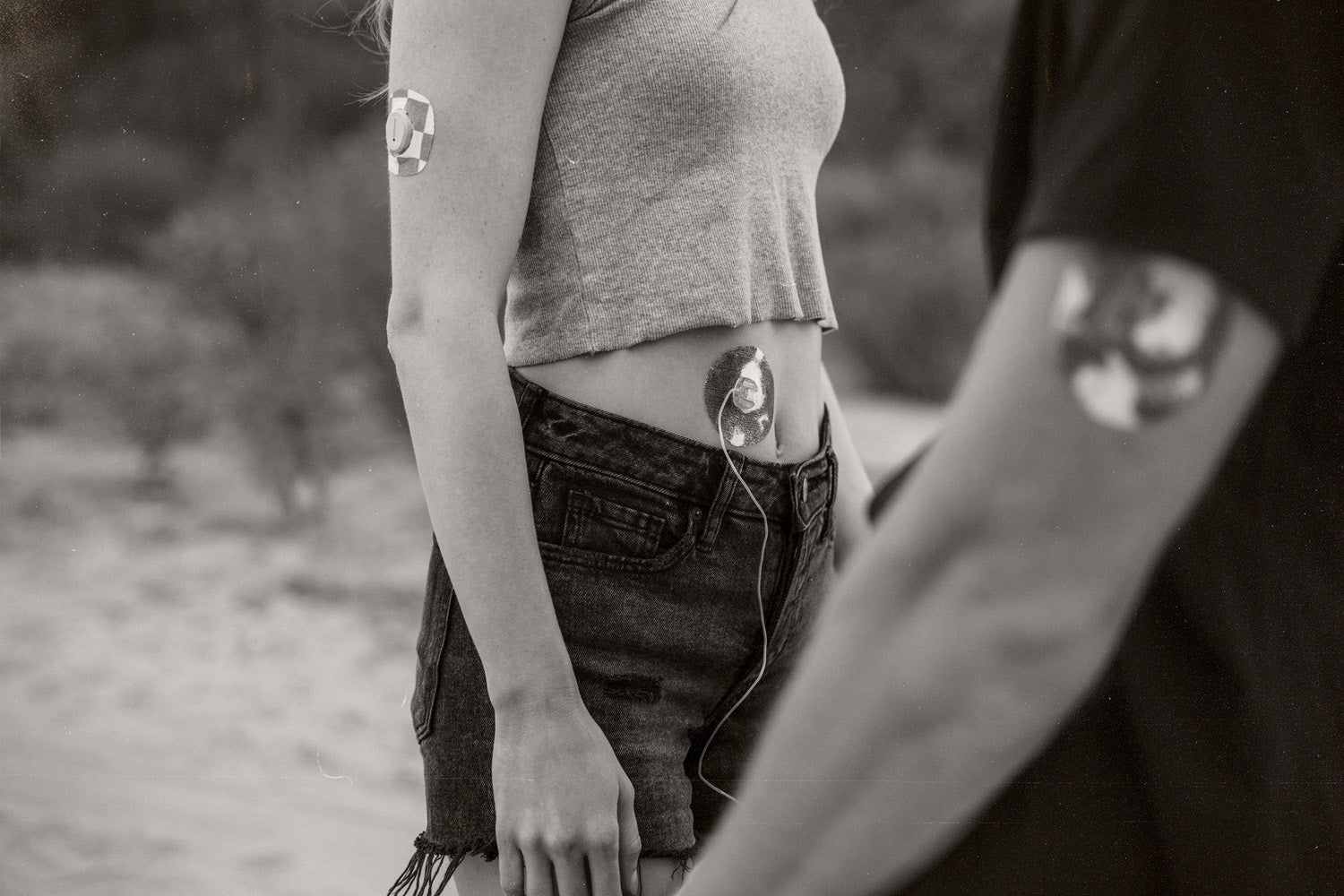
Diabetes technology never stands still. Every year brings new tools that can make life with diabetes a little easier, more predictable, and more connected. In 2026, the pace of innovation continues to accelerate. From smarter algorithms and longer-wear sensors to novel integration and early-stage breakthroughs, there's a lot to look forward to.
Here’s what’s on the horizon for diabetes tech in 2026.
Insulin Delivery Systems & Upcoming Models
Tandem Diabetes Care — Patch Pumps & Tubeless Mobi
Tandem has already integrated its t:slim X2 and Mobi systems with Dexcom sensors and is working on a tubeless patch pump version of the Mobi. This future iteration is expected to offer up to a 7-day wear time using the SteadiSet infusion set and wireless charging.
Tandem is also expanding sensor support — including Dexcom G7 and Abbott FreeStyle Libre 3 Plus, with early access programs and broader rollout planned.
Why it’s exciting:
- Patch pump form factor bridges traditional tubed pumps and disposable pods
- Longer wear and wireless charging improve convenience
- More sensor compatibility increases flexibility
Medtronic — MiniMed “8-Series” & Patch Pump Concepts
Medtronic is preparing to submit its next insulin pump platform — the MiniMed 8-series — with a smaller, streamlined design that may not have a built-in screen, instead relying on smartphone control. They’ve also shown early versions of a patch pump prototype with a 300-unit reservoir and ~7-day wear potential.
What to watch:
- Larger reservoir and longer wear than many current systems
- Phone-first control instead of traditional pump hardware
- Integration with Medtronic’s Simplera glucose sensor and potential Libre compatibility
Beta Bionics — iLet & “Mint” Patch Pump Prototype
Beta Bionics is already on the market with its iLet Bionic Pancreas (ACE Pump), which pairs with Dexcom and FreeStyle Libre 3 Plus CGMs and automates insulin delivery using multiple built-in algorithms. The company also previewed a reusable patch pump prototype (“Mint”) that could cut down on disposable parts while keeping an automated delivery engine.
Why it’s a key company:
- The iLet’s algorithm reduces need for manual basal programming
- “Mint” could bring a new patch option to the automated pump category
Insulet — Omnipod 5 & Future Omnipod 6
Insulet’s Omnipod 5 remains one of the most widely used patch pumps, integrating with Dexcom and FreeStyle Libre 2 Plus CGMs directly and offering SmartAdjust automated insulin delivery. Insulet is continuing to evolve the platform, with community buzz around advancements often referred to as Omnipod 6 (though specifics aren’t fully public yet).
What makes it stand out:
- Pod-based, tubeless AID system many users love for flexibility
- Upcoming whatever-next-gen improvements are expected to refine wearability and features
Next-Gen Sensors & Monitoring Tech
Dexcom — G7 with Extended Wear & Apple Watch Connectivity
Dexcom’s newest CGM this year included the G7 15-Day wearable, building on extended wear approvals and direct connectivity to smartwatches (like Apple Watch) without needing a phone as an intermediary.
This matters because:
- Extended wear reduces sensor changes
- Native wrist access increases accessibility for fast checks
Multi-Analyte CGMs in Development (Abbott & Others)
Abbott is advancing multi-analyte sensors that aim to measure glucose plus ketones (not just a single glucose value) which could give earlier indicators of metabolic states before numbers swing widely.
Why to watch:
- Ketones alongside glucose could mean earlier warnings for DKA risk
- Multi-data sensors open doors for richer self-management insights
Software, Algorithms & Integration Advances
twiist AID Platform (Sequel Med Tech)
The twiist AID system is gearing up for wider release with multiple algorithm options, including both Loop-based and commercial FDA-cleared choices, offering flexibility and personal customization.
What’s notable:
- Users can choose algorithm styles that suit their lifestyle or management goals
- Supports interoperability with common CGMs
Beyond Hardware — AI and Pattern Recognition
Tech at diabetes conferences this year emphasized AI-driven insights and pattern recognition, including forecasting tools and smarter software that makes sense of CGM trends without manual interpretation. Researchers are working on models that could help predict glucose levels with machine-driven context analysis beyond raw numbers.
Big picture trend:
- Smarter software could reduce cognitive load
- Prep for tools that make sense of data instead of just showing it
Quick Summary — Tech to Watch in 2026
- Tandem: Tubeless patch pump with extended wear & wireless features
- Medtronic: MiniMed 8-series & patch pump concepts with larger reservoirs
- Beta Bionics: iLet automated system + reusable patch prototype
- Insulet: Ongoing Omnipod evolution (Omnipod 5 → Omnipod 6)
- Dexcom: G7 extended wear & watch connectivity expansions
- Abbott / Sensor Innovators: Multi-analyte CGM development
- Sequel Med Tech: twiist algorithm options for personalized AID
What It All Means
2026 is shaping up less to be about one big breakthrough and more about smarter, more flexible tech ecosystems that give people choice — from how they wear pumps to how their CGMs interpret metabolic states, and how algorithms adapt to individual needs.
New patch pump designs, smarter algorithms, sensor innovations, and expanded integration will keep pushing diabetes tech into everyday life — making it feel less like tech to manage and more like tech that supports life.