Diabetes Tips

Where to Put Your Insulin Pump: Your Top 5 Clothing Challenges, Solved
Disclaimer: All content and information in this blog is for informational and educational purposes only. For the latest information, please visit the manufacturer’s website. Last updated on 6/12/2025. After sifting through your entire wardrobe, your room might look like a tornado hit it. Planning an outfit is tough enough, but the real challenge? Figuring out where to wear your insulin pump where it’s not poking out, slipping off or trying to steal the spotlight from the look you just created. The good news is that you can wear your insulin pump with virtually any outfit with a few clever tricks, a bit of creativity, and maybe a well-placed hidden pocket or two. Insulin Pump Placement for Workout Clothes & Athletic Wear Whether you’re hitting the gym, flowing through a yoga session, or simply running errands in your favorite athleisure, finding the best place for your insulin pump can be a challenge. These are practical placement options for activewear and fitness apparel to keep your pump in place during any activity: Side Pockets: These are gold! Many athletic leggings, yoga pants, and bike shorts come equipped with integrated side pockets. Designed to hold essentials like your phone or keys, they’re also a perfect place to put your insulin pump. The compression fabric helps keep your insulin pump in place even during the most intense workouts. Compression Leggings: Compression leggings are an excellent foundation for insulin pump wear. Worn alone or as a base layer under looser bottoms, they offer superior support. For those who prefer to clip their insulin pump, the inside waistband of compression leggings provides an extra secure attachment point close to your body. Friendly-warning: avoid clipping your insulin pump to the outside of your waistband or pocket during high-impact activities. Trust us, your pump will go flying! Sports Bra for Insulin Pump: For many, a sports bra offers an ideal insulin pump location. You can simply tuck, clip or utilize a dedicated sports bra pocket designed for insulin pumps or other essentials. This method keeps your pump in a safe and secure position away from potential snags or impacts during your workout. Insulin Pump Sport Belts & Pouches: The dreaded “pant pull-down” from the weight of an insulin pump can be annoying during a workout. A specialized insulin pump sports belt offers a dedicated, snug and comfortable place to store your device right where it belongs. Insulin Pump Placement for Dresses and Skirts Wearing an insulin pump with dresses and skirts might seem impossible at first, but there are plenty of great places to put your pump: Thigh Garter: A thigh garter isn’t just for special occasions; it’s a fantastic way to keep your pump discreetly tucked away under skirts and dresses. Bike or Compression Shorts with Pockets: Slip on a pair of bike or compression shorts with built-in pockets under your dress or skirt. You’lll have a snug, secure and easily accessible home for your pump. Bra Clip or Band: Your bra can be a surprisingly convenient spot to put your insulin pump when wearing dresses and skirts. You can clip your pump right to the center of your bra or simply tuck it snugly under the band. Waistband Pouch: A soft, elastic waistband pouch worn under your clothing can keep your pump secure and out of sight. Pro Tip for Dresses and Skirts with Pockets: Struck gold with a dress or skirt that actually has pockets? Here’s a clever trick: Carefully cut a small hole inside the pocket and voila! You can thread your tubing right through for a seamless look. Insulin Pump Placement for Swimsuits and Bikinis Wearing an insulin pump with swimsuits or bikinis can be tricky! With minimal fabric and even fewer built-in pockets, finding the best placement for your device requires a little creativity. Swim Trunks/Swim Skirt Waistband: If you’re rocking swim trunks, a swim skirt or any swimwear with a snug waistband, consider this your prime insulin pump real estate. You can often clip your insulin pump right to the band or tuck it into a small pocket if your swimwear offers one. Clip Directly to Bathing Suit: For one-piece bathing suits or bikini tops that offer sturdy support, you might be able to clip your insulin pump directly to a thick strap or a reinforced seam. Look for areas with strong, durable fabric to ensure your pump stays securely in place. Cover-up with Waistband or Pockets: When your swimsuit offers virtually zero insulin pump placement options, your trusty cover-up comes to the rescue! Opt for a beach cover-up with pockets or a waistband that you can clip your pump to. Alternatively, throwing on a pair of swim shorts or athletic shorts over your suit provides an instant place to stash your insulin pump for the moments you are out of the water. PS: Before you cannonball into the water, remember to disconnect from your insulin pump! Insulin Pump Placement While Sleeping Finding the best insulin pump placement at night is essential for a peaceful night of sleep. You want your insulin pump to be accessible yet out of the way to avoid accidental tugs or disconnections. Pajama Pockets: If your favorite PJs come equipped with a pocket, consider yourself golden! A well-placed pajama pocket can be a simple spot to store your insulin pump throughout the night. However, if you’re an active sleeper who tends to toss and turn, adding a clip for extra pump security is a wise move to keep your device from espacing overnight. Bralette Band for Insulin Pump: For those who prefer to wear a bralette or soft sleep bra to bed, the band can offer a surprisingly secure and comfortable insulin pump location. You can easily tuck your insulin pump during the band or use a clip to attach it. This keeps your insulin pump out of the way from potential entanglements with tubing for uninterrupted sleep. PJ Waistband: Most pajama bottoms have a soft elastic waistband and straightforward insulin pump placement for sleep. You can simply tuck or clip your insulin pump directly to the PJ waistband. Let it Go (Carefully!): Sometimes, the most comfortable insulin pump sleeping position is to simply let your insulin pump lie freely beside you in bed. If you’re a relatively still sleeper and your insulin pump tubing allows for adequate length, this can be the most unrestricted and comfortable option. Just be mindful of potential tugs or accidental disconnections if you tend to move around a lot throughout the night. Insulin Pump Placement with Formalwear: Suits, Tuxedos, & Gowns Finding the best insulin pump placement for formal occasions like weddings, galas or proms can seem daunting, but with a bit of creative thinking or minor alterations, there are plenty of placement options whether you’re wearing an elegant suit, a sophisticated tuxedo, or a beautiful gown for prom. Insulin Pump Placement for Suits and Tuxedos Inner Jacket Pocket: The inner jacket pocket is a prime location for insulin pumps with formal jackets. It keeps your insulin pump out of sight and easily accessible for bolusing- plus, you won’t see it outlined in photos if it were tucked into your pants pocket. Belt Clip: A classic placement for your insulin pump is attaching it to your waistband or belt. For maximum discretion, place the clip inside of your waistband and allow your formalwear to conceal your insulin pump. Vest Pocket: If your suit or tuxedo includes a vest, the vest pocket offers another spot to place your insulin pump. It keeps your insulin pump snug against your torso to minimize movement as you mingle and dance. Insulin Pump Placement with Gowns Bike or Compression Shorts with Pockets: A top recommendation for insulin pump users is to utilize compression or bike shorts with pockets worn underneath your formal dress. Medical Device Thigh Garter: A thigh garter designed specifically for medical device carry can keep your insulin pump out of sight while ensuring it remains accessible when needed. Hidden Gown Pockets: Many formal gowns can be custom-altered to include a small discreet sewn-in pocket within the lining. These hidden pockets are typically positioned near the bust, waist or hip for convenient pump access. Bra or Bodice Placement: You may find success by tucking your insulin pump into your bra band or the reinforced bodice of the gown itself. Underarm Pump Clip: For strapless or form-fitting gowns where other options might not work, you can clip your insulin pump inside your gown near your armpit for easy access.

Swimming with a CGM or Insulin Pump? Here’s What You Need to Know Before You Dive In
Disclaimer: All content and information in this blog is for informational and educational purposes only. For the latest information, please visit the manufacturer’s website. Last updated on 5/28/2025. Whether you are cannonballing into the pool, soaking up the sun at the beach or just relaxing in a bubbly hot tub, chances are you’ve probably had a familiar moment of panic: Can I swim with my CGM? What about my insulin pump? Will everything stay stuck? And more importantly, will it keep working? Can I Swim with My CGM? TL;DR: Yes, your CGM sensor can, but your receiver can’t. Most CGM sensors are built to withstand water, at least for short swims, splash fights, and your best Martha Washington impersonation for about 30 minutes give-or-take. That said, while your sensor may be waterproof, your receiver or display device aren’t and definitely need to stay dry. Heads Up – Bluetooth and water aren’t exactly besties. So while you’re out playing mermaids, don’t be shocked if you see a signal error message on your display device. Once you’re back on dry land, your sensor readings should reconnect and catch up within 10 minutes. How to Keep CGM on While Swimming Your CGM sensor wasn’t exactly designed to withstand belly flop contests and full-contact Marco Polo– yet here you are, determined to make it work anyway. While most sensors are technically waterproof, the trusty adhesive that keeps them stuck to your skin is another story. Chlorine, saltwater, sunscreen and spontaneous dives can have your sensor clinging on for dear life. Here’s how to keep your CGM firmly in place while you’re making waves: Prep Your Skin: Wipe away sweat, sunscreen and any lingering regrets from last weekend before applying your new sensor. Clean and dry skin gives your adhesive the best chance of survival. Use Overpatches: Waterproof overpatches (like ours, wink wink) add an extra layer of security that can mean the difference between “held on like a champ” and “lost to the deep end.” . Avoid Lotions or Sunscreen: We love a sun-kissed glow, but greasy skin = slippery sensor. Apply lotions and sunscreen around your site, not on it. Pat Dry: When getting out of the water, gently pat your sensor area dry like a newborn baby. No scrubbing. No friction. Just tender, loving towel taps to avoid any adhesive slip ups. Reinforce as Needed: If your sensor is looking a little rough after your swim, reinforce with adhesive tape or adhesive barrier wipes while whispering sweet nothings like, “hang in there buddy, you only got 3 more days left.” Can I Go in a Hot tub with My CGM? Technically? Yes. Realistically? Proceed with caution. Most CGMs can handle brief exposure to warm water, but hot tubs typically exceed the temperature range your sensor is comfy with. That kind of steamy situation can throw off your readings and mess with your sensor adhesive. If you want to soak in a hot tub, keep it short and do your best to plan ahead of time by wearing it on a spot that you can keep out of the water. Can I Swim with My Insulin Pump On? Tethered Pump Users: Most tubed insulin pumps aren’t exactly built for underwater adventures. So unless your pump takes an unexpected swim, it is best to disconnect before diving in. Keep tabs on how long you’re splashing around because no insulin delivery + poolside snacks = a potential glucose rollercoaster. Tubeless Pump Users: Good news, Pod people– no need to disconnect before you swim! Just keep an eye on how long and how deep you’re going, because your pod has limits. Pro tip: stick on an overpatch so it stays in place! What to Do If Your Insulin Pump Gets Wet If your insulin pump goes for a swim without your permission, don’t panic (okay, panic a little- but do it while taking action). Dry it off- Use a towel to dry off your pump. Avoid heat or hair dryers– this isn’t the time for extreme measures. Check for malfunctions- Look for alerts, error messages or broken screens. If your pump is suddenly acting possessed, that’s your cue to move onto step three. Call the manufacturer- They’ve heard it all– from pumps dropped in hot tubs to ones rescued from toilets. They’ll walk you through next steps, warranty details or at least offer emotional support. Have a back up plan- If your pump is officially out of commission, break out your backup supplies. Use manual injections or a backup pump until a replacement pump comes in.

How to Hide Your Diabetes Devices: Discreet CGM & Insulin Pump Hacks
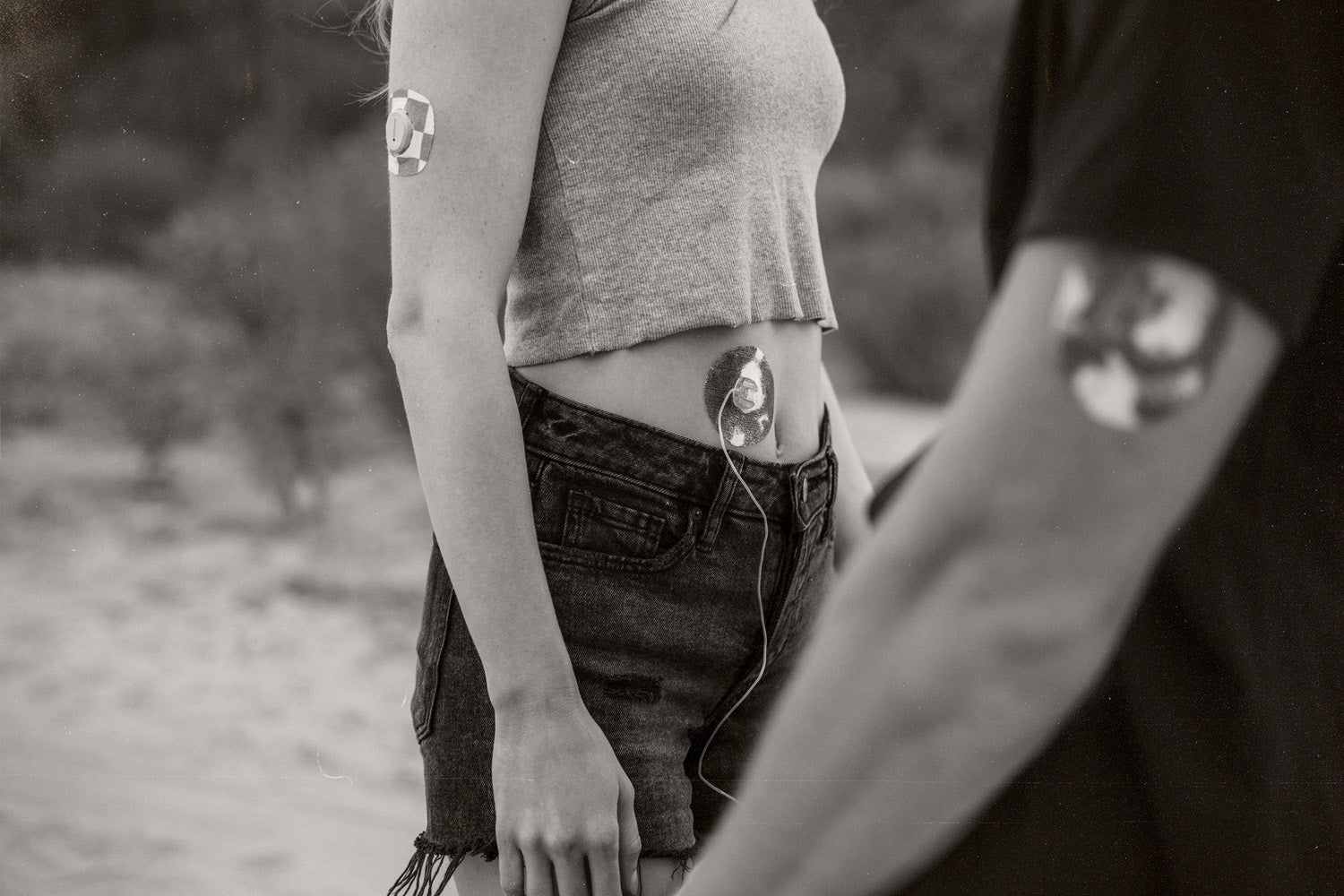
Disclaimer: All content and information in this blog is for informational and educational purposes only. For the latest information, please visit the manufacturer’s website. Last updated on 5/14/25. Some days you might want to show off your CGM or insulin pump with pride or even coordinate it with your outfit. But it you're rocking a neutral fit or just not in the mood to give the person behind at Target your full medical history, we've got a few tips on how to stay discreet. Whatever your reason, your boundaries are valid. We’re all about owning your diabetes– but that doesn’t mean your diabetes devices need to be everyone’s business. There are plenty of discreet ways to keep your diabetes devices out of sight and out of conversations. Strategic Placement Where you place your CGM or insulin pump makes a huge difference in how visible it is–or isn’t. Whether you’ve got a special event coming up or just want a more discreet set up, these strategic placements keep your diabetes devices under the radar. Just remember to consider your outfit details: sleeves or sleeveless, form-fitting or loose, short or long bottoms, or whether your clothes have pockets or clippable spots. It all plays a part in strategizing the perfect placement. ⚠️ Heads up: Some of these spots are off-label and not FDA-approved. Use at your own risk and check in with your care team if you’re unsure. Discreet CGM or Tubeless Insulin Pump Placement Back of Upper Arm - Easily covered by both short and long sleeves. Upper Buttocks & Outer Thigh - Tucked away under pants, skirts, or dresses. Lower Abdomen (Below Waistline) - Hides perfectly under waistbands, dresses and even cropped tops. Back (Flank Area) - Almost always hidden, unless you’re wearing an open-backed top or swimsuit. Inner Arm or Inner Thigh- A stealth move. These are sensitive areas, but totally discreet. Discreet Tubed Insulin Pump Placement Clipped Inside Waistband - Tucked in and out of sight– tired and true! Bra or Sports Bra - Slip it under or clip it to straps for discreet placement. Thigh Band with Pouch or Compression Shorts - Hidden option perfect for skirts and dresses to keep your pump accessible. Under Arm or Back - For strapless tops, clip your pump under your arm or back- out of sight yet easy to reach. Clothing with Built-In Pockets - Yes, please. Pockets make pump placement close and discreet. Tuck or Tape Tubing - Tuck extra tubing inside your clothing or tape it to prevent tubing from peeking through. Use Overpatches That Blend In Bright, bold and colorful overpatches can be fun– but if subtle is your goal, look for skin-tone overpatches, neutral-colored adhesives or clear patches. These help your device stay secure while making it less noticeable. If you’re looking for a barely there option, look for overpatches without cutouts– they cover the whole device for a next-level subtle impact. Use Remote Features on Your Diabetes Devices Many diabetes devices come with remote features– think bolusing from your phone, checking your CGM on your smartwatch or using a paired app instead of digging into your pocket or waistband. Customize Your Alerts and Alarms There’s nothing like a loud CGM alert or blaring insulin pump to draw unwanted attention. If you’re wanting to be subtle about your diabetes devices customize your alerts and alarms by: Switch to Vibration - Most pumps and CGMs have a vibrate option so you can stay on top of your alerts without notifying the entire room. Customize Your Alerts - Prioritize only the most important notifications. Silence or snooze non-urgent ones if your device allows. Use a Smartwatch or Phone App - Get discreet alerts sent straight to your wrist or phone– no need to dig into your clothes or hear your pump beep. Adjust Volume and Tone - Some devices let your lower alert volume or choose softer tones. Set “Quiet” Times - Use Do Not Disturb features during meetings, dates or events– just be sure urgent alerts are still available. Final Thoughts Whether it’s awkward stares, curious questions or just feeling “different,” it’s okay to want some space from the visibility of diabetes. But remember, choosing privacy isn’t hiding in shame. It’s about comfort, boundaries and giving yourself the right to exist in your body without an explanation.

How to Make Your Insulin Pump Run Smoothly in Summer’s Weather
Summer heat got you sweating? Between spending your days at the beach, cooling off by lounging in the pool or just trying to survive the sweltering heat, you don’t want the challenges of hot and humid weather impacting your insulin pump.

Top Diabetic Accessories Every Person with Diabetes Should Know About
Living with diabetes means you’ve basically taken on a part-time job in pancreas management. And like any job, having the right diabetic accessories can make all the difference. Whether you’re newly diagnosed or a seasoned pro, check out this round up of diabetic accessories you didn’t know you needed- but won’t want to live without.

Spring Sports Survival Guide for Diabetes Devices
Spring sports bring high-energy competition and fast-paced movement, but they also introduce unique challenges in keeping diabetes devices secure. From intense sprints on the track, high-impact plays on the lacrosse field, or sliding into home plate this baseball season, the combination of sweat, movement and physical contact can put diabetes devices at risk of dislodging, peeling or failing at the worst possible moments. But, with the right preparation and products, you can play your hardest and keep your focus where it belongs– on the game, not your diabetes device.

Is Your CGM or Insulin Pump Making Your Skin Irritated? Here's Why and How to Fix it
Skin irritation from your CGM or insulin pump is a special kind of misery. The diabetes devices meant to make your life easier end up being the thing that really gets under your skin causing redness, rashes, and that non-stop itch that drives you mad. If you’ve ever found yourself aggressively scratching at your infusion site or dreading every CGM sensor change– don’t worry, we’ve got tips and tricks to help you keep your skin (and your sanity) intact!

Breaking the Cycle of Diabetes Burnout and Seasonal Depression
Managing diabetes is already a full-time job, but throw in colder weather and less sunlight and suddenly even the smallest diabetes tasks can feel like they require every ounce of energy. If you’ve been lacking energy, motivation or just feeling off, you might be dealing with a mix of diabetes burnout and seasonal depression. Breaking the cycle starts with understanding why this happens and finding small, doable ways to make diabetes feel more manageable even in the darkest months.

Diabetes Devices and Winter Activities: How to Keep Your Devices Safe and Secure
Winter is here— and the mountains are calling! Whether you’re carving through fresh powder or sinking into a steaming hot tub surrounded by snow-covered peaks, we’ve got tips to keep your diabetes devices safe and secure all season long.

How Safe is Your Continuous Glucose Monitoring System with Airport Security Scanners? What You Need to Know about Dexcom and Freestyle Libre
Shoes off, jackets off, laptops out - but what about your CGM? Between ever-changing TSA rules and lines that seem to stretch into eternity, it’s tempting to wish you could cut some corners with the whole security ordeal. But, it’s a reality we can’t avoid even with TSA PreCheck. So, what’s the deal - Can your Dexcom or Freestyle Libre make it through airport security scanners unscathed?

Living Fearlessly with Diabetes
(Marc Najera/Unsplash) The goal of Skin Grip is to help everyone in the diabetes community live fearlessly. What does that mean? Will Skin Grip patches cure acrophobia (the fear of heights) or triskaidekaphobia (the fear of the number 13)? Probably not! But Skin Grip is working in other ways to help people with diabetes live stress-free, worry-free lives and we have some tips to help everyone accomplish that. 1) Talk to Someone In case you haven’t heard, diabetes is a serious health condition. Though most conversations about diabetes begin and end with blood sugar, there’s much more to it. Diabetes can affect our entire body. That’s a frightening thought. For many, especially people who are newly diagnosed, diabetes can be an overwhelming, distressing condition. The best thing we can do is talk to someone about our feelings. Fear, depression, and burnout all thrive in darkness and isolation. The more we reach out, the less these feelings can harm us. Sometimes reaching out can mean talking to our endocrinologist about ongoing health struggles and the need for changes in our care plan; sometimes we just need to express ourselves to family, friends, or loved ones. Finding support groups for people with diabetes online or locally can connect us with people who understand our struggles. Skin Grip’s podcast tries to create this kind of community for all of our clients. Having a space to discuss struggles and challenges and to offer hope, helpful hints, and inspiring stories is one way we use our platform to help the entire diabetic community. 2) Get Educated/Educate Others Sometimes the things we understand least are the most frightening. The more we learn about them, the less frightening they become. Skin Grip uses podcasts, blog posts, and partnerships with diabetes educators, content creators, and designers to increase awareness for diabetes and its unique challenges. For individuals who are just receiving a diabetes diagnosis, one of the first steps in any treatment plan is connecting the new diabetic with an educator. The purpose of this education isn’t just to teach people how to give insulin injections on their own, though that’s very important. The purpose is to empower individuals to understand their body, what it needs, and how it can be kept healthy. Though diabetes is a lifelong condition, with proper maintenance and treatment, there’s no reason people with diabetes can’t participate in any activity. All it takes is a little understanding of how to manage their condition during participation. Reading books, listening to podcasts, and checking in regularly with healthcare providers are all great ways to get informed and stay informed. This is especially true as research changes our understanding of diabetes pathophysiology and effective treatment. As the research changes, new treatment options can become available, such as new forms of insulin, new injectors, and CGMs. 3) Stay on Top of It Diabetes is a manageable condition, but it requires daily maintenance. We think of it this way: Just like there shouldn’t be any days off from eating, there shouldn’t be any days off from managing insulin/blood glucose. This is where technology can help us. Products like CGMs and insulin pumps can help us stay on top of our blood glucose and keep it in a therapeutic range. Research shows that these devices can improve A1c levels for patients from all walks of life, but they only work if we use them. Skin Grip supports the use of CGMs by providing users with comfortable adhesive patches for Freestyle Libre, Dexcom G6, and others. We also make hypoallergenic tape for insulin pumps like the Medtronic or Omnipod. These products come in a wide array of colors and styles so that users can flaunt their style while keeping their devices safe and secure. These patches protect sensors so that users can live without fearing that they’ll fall out, be damaged by the elements, or get lost during any of their favorite activities. This keeps our customers out in the world being diabadasses, instead of at home worrying about getting replacement sensors from their insurance company. 4) Stay Active! One of the best ways to remember that we can live a fun, badass life is by going out to have fun and be a badass! Whether you like hiking, fishing, cycling, lifting weights, or hitting the pickleball courts, anything is possible when you have the peace of mind that comes from a CGM that’s well-secured. Not only does the activity itself keep your body physically healthy, but playing hard can remind you that you’re still living your life to the fullest. If you need inspiration for how to go from fearful to fearless, Skin Grip is here to show you the way with our video series on people who inspire us to live life without any limits. If you are interested in joining the Skin Grip community, you can try our products by ordering a free sample. See the difference in keeping CGM sensors in place. Now, go out and live fearlessly! Video

Omnipod 5 vs Tandem t:slim X2 with Control-IQ: Which is Best?
Insulin pumps have come a long way in recent years, offering users more automated insulin delivery features for managing their diabetes. Two of the most popular insulin pumps that are currently available are the Tandem t:slim X2 with Control-IQ and the Omnipod 5 System. Both of these insulin pumps have unique features that can make them appealing to different users. In this blog post, we are going to compare the overall user experience of Omnipod 5 and Control-IQ. Whether you are choosing your first insulin pump or looking to upgrade your current device, this blog post will provide a comprehensive comparison so you can make an informed decision about which system will be best suited for you.