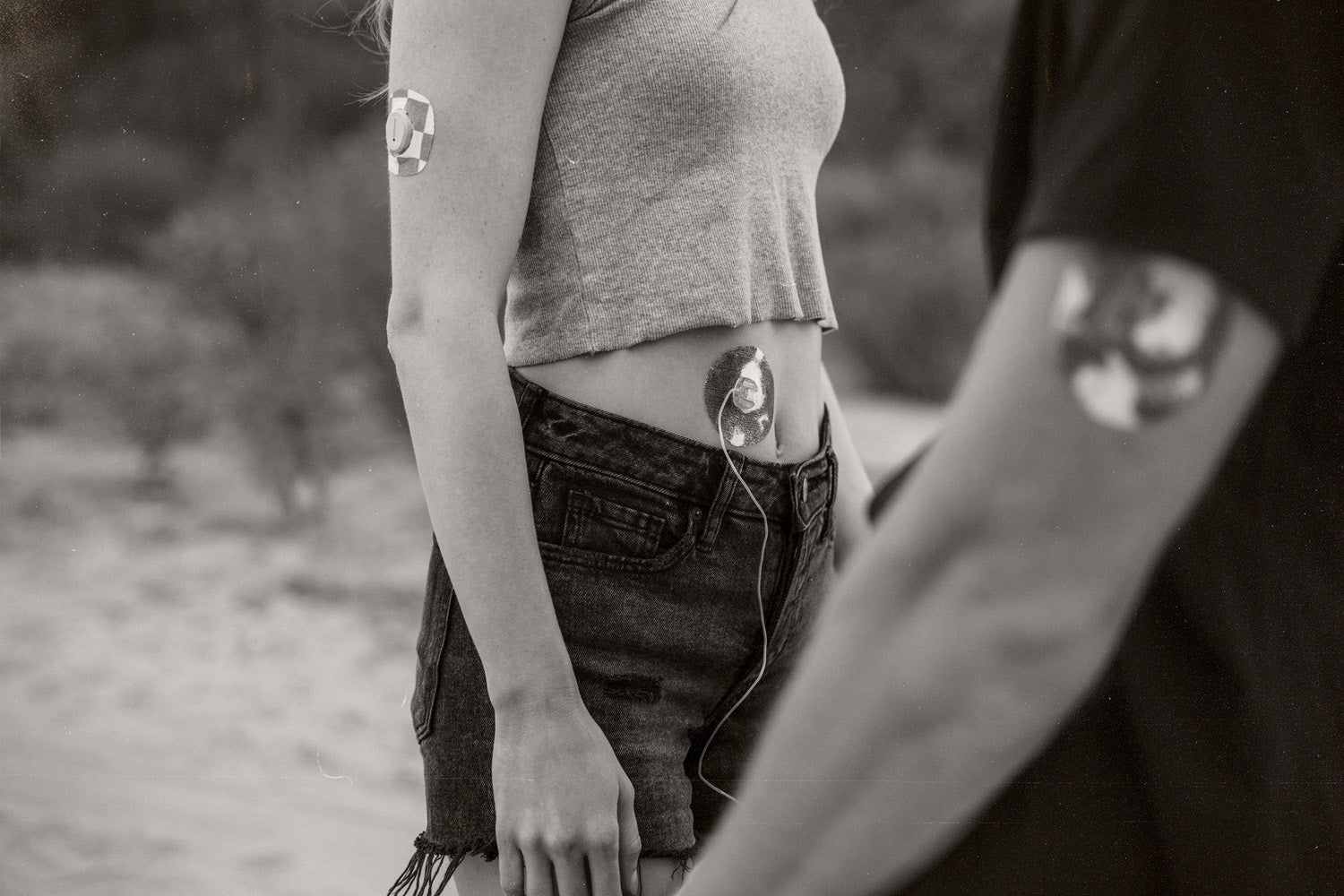
Endurance
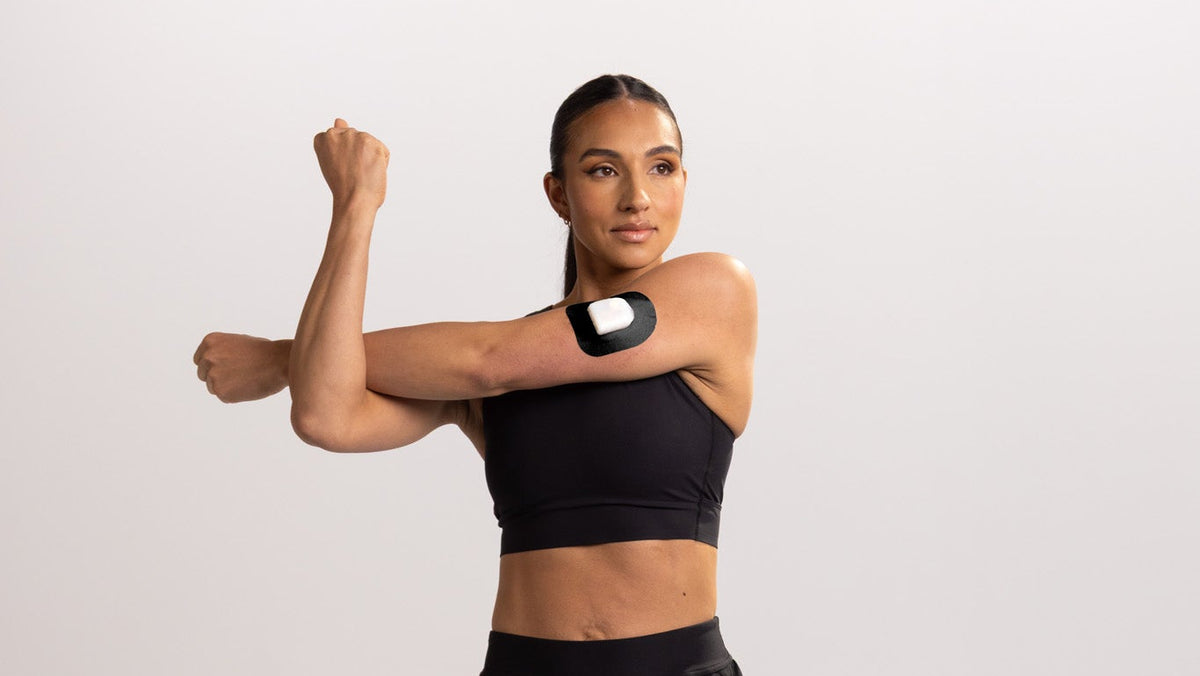
Engineered for maximum wear time.

Confidence
Never lose a device.

Freedom
Skin Grip moves with you, never against you.
SHOP BESTSELLERS
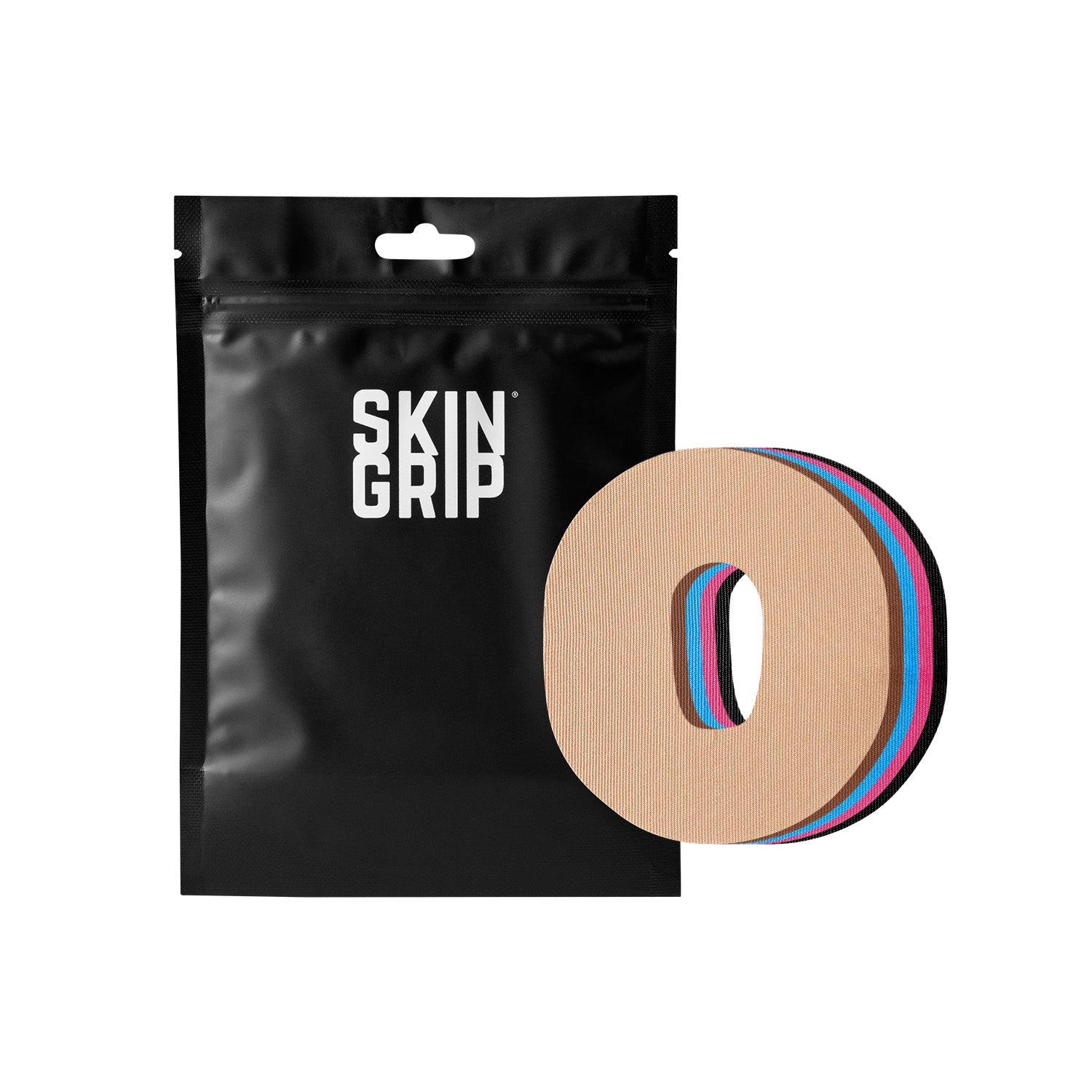
Skin Grip Original - Dexcom G6 Patches


Choose your option
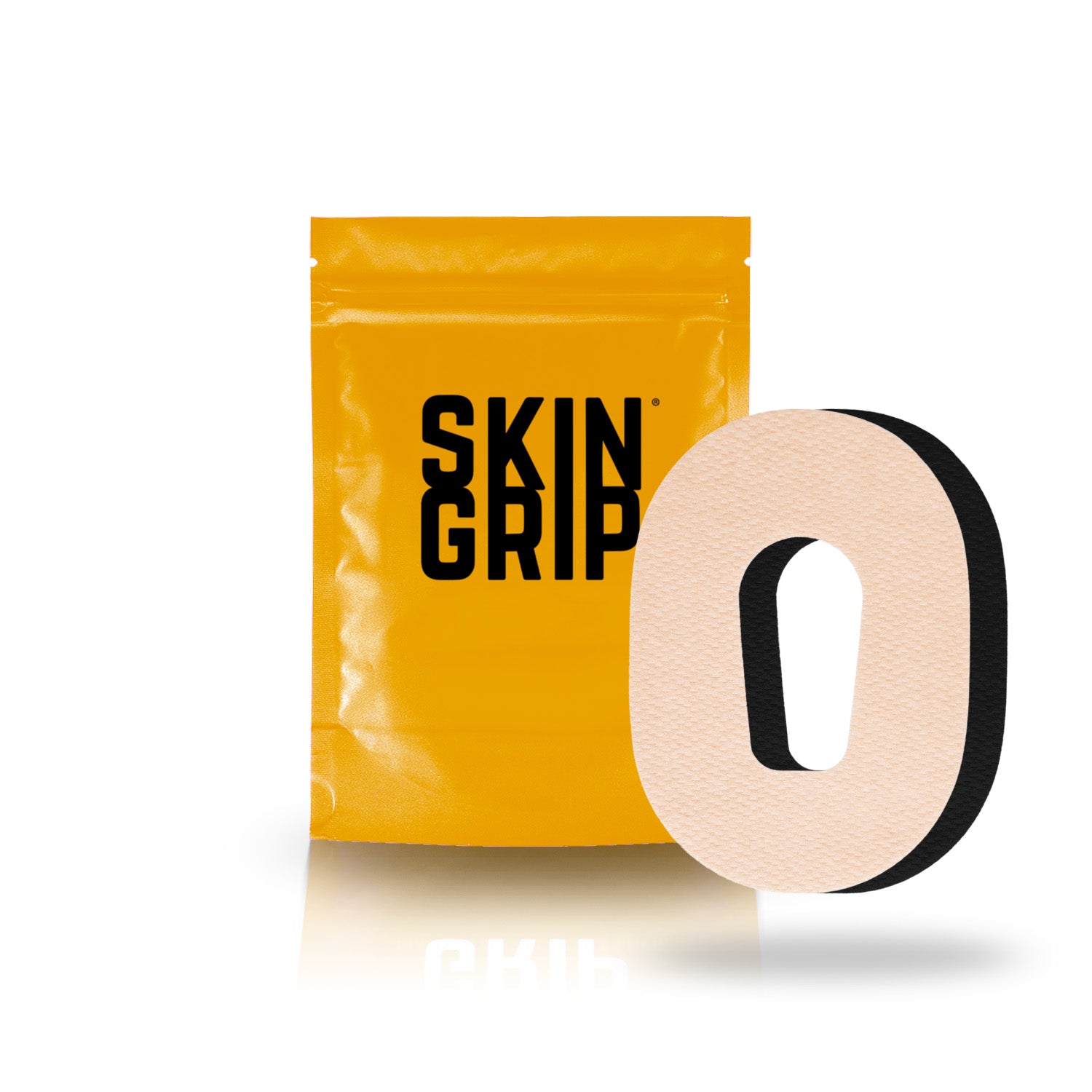
Skin Grip MAX Dexcom G6 Patches - 10 Pack


Choose your option

Skin Grip Original - Medtronic Guardian/Enlite Adhesive Patches


Choose your option

Skin Grip Original - Freestyle Libre 2+ & Lingo Adhesive Patches


Choose your option

Skin Grip Original - Dexcom G7 & Stelo Adhesive Patches (With Cutout)


Choose your option

Skin Grip Original - Omnipod Adhesive Patches


Choose your option
Skin Grip Original - Dexcom G7 & Stelo Adhesive Patches


Choose your option

Skin Grip Original - Libre 3+ Adhesive Patches


Choose your option


Skin Grip - Tandem Mobi Pocket Patch


Choose your option


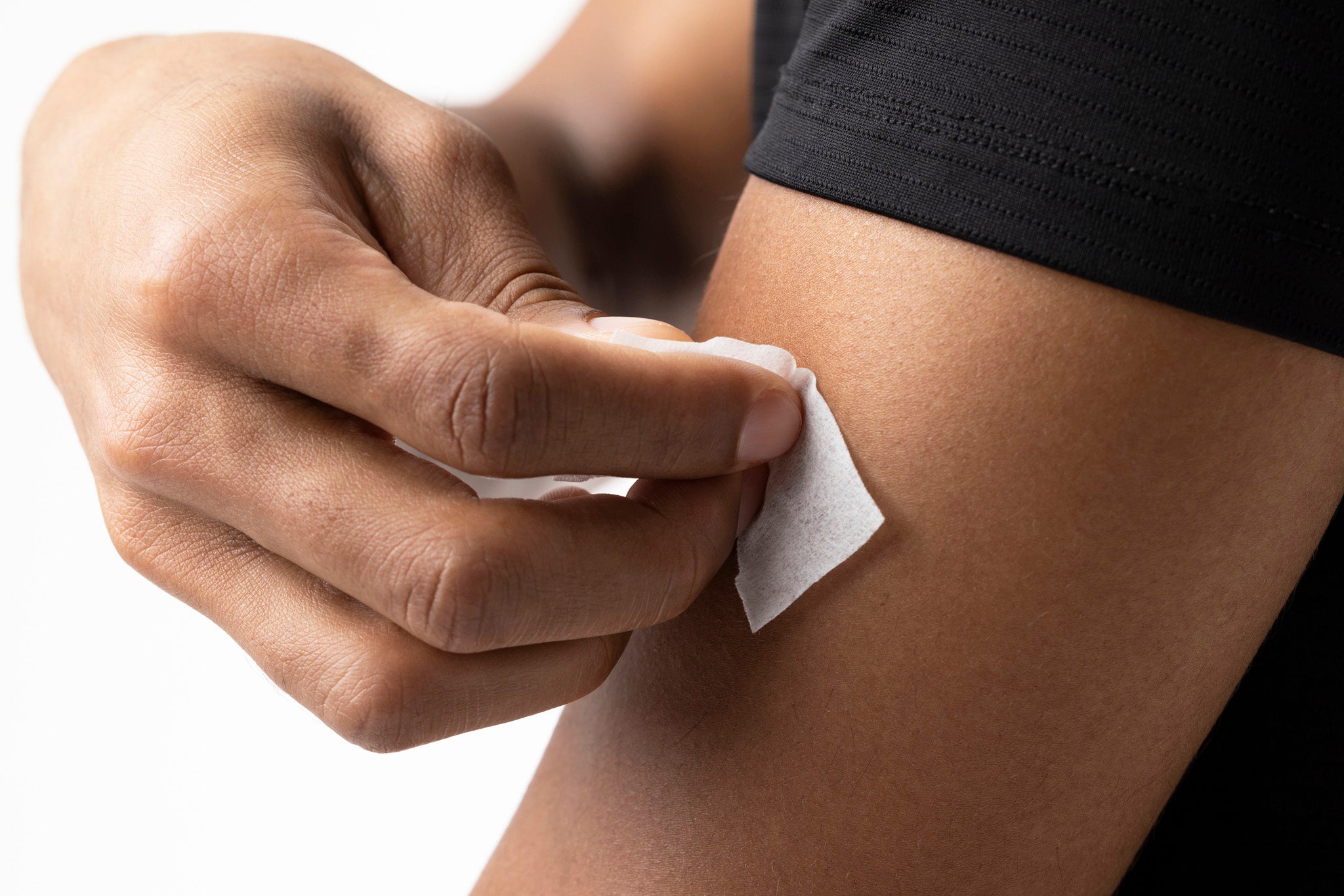



Sensors Saved

Trusted By



Say Goodbye To
Sensor Failure Mid-Routine
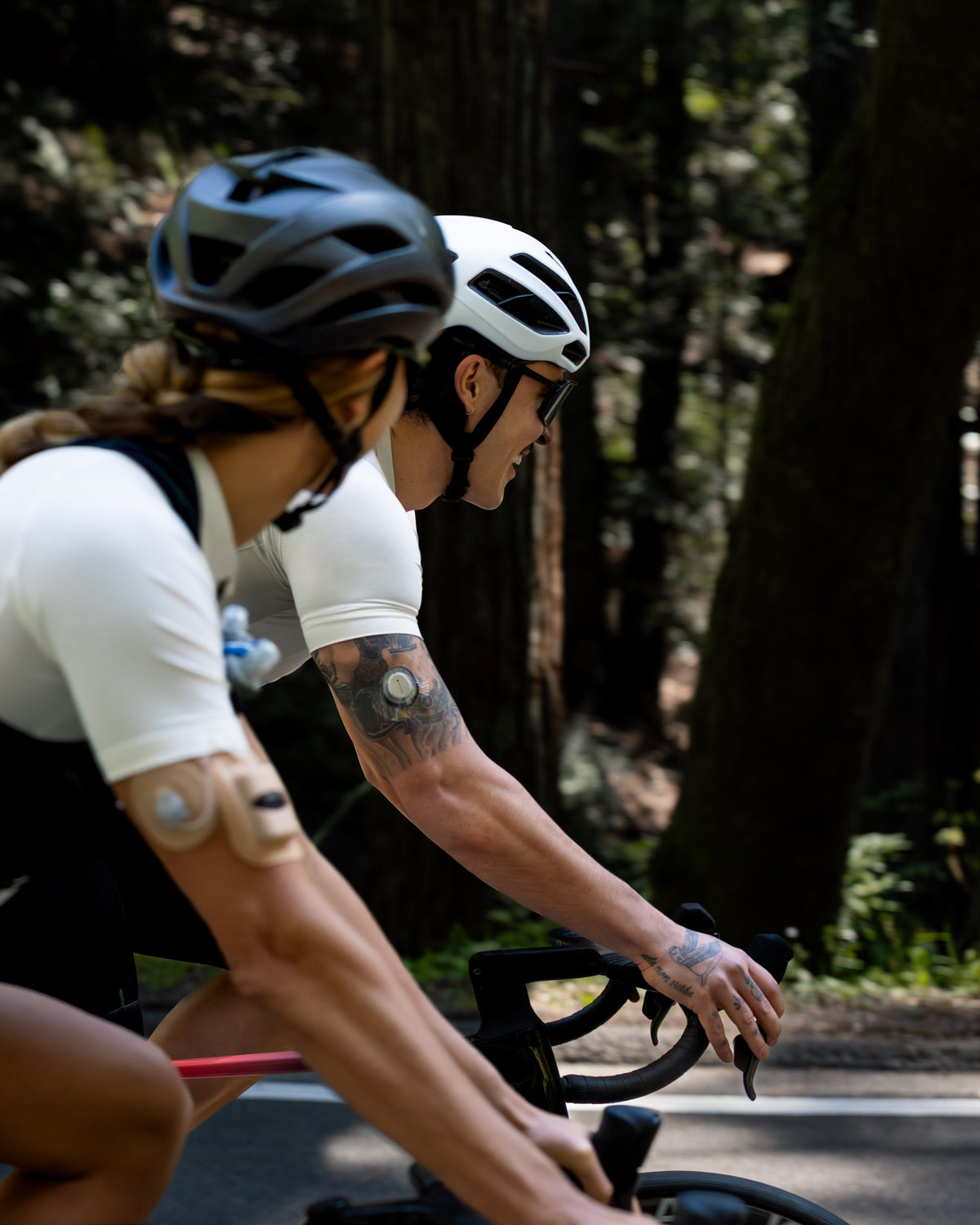
Adhesion built to last through motion, sweat, and time.
Manufacturer Replacements on Repeat
Designed for reliability — not replacements.
Waiting on New Sensors to Arrive
Every patch extends your wear. Every day counts.
Losing a Reading When Life Gets Close
Holds steady through hugs, heat, and high impact.
Returning to Fingerpricks and Frustration
Performance that stays put. Confidence that stays on.
→ Built to grip. Made to stay.
DIABETES MANAGEMENT
Your go-to hub for tips, tricks, and real talk on living boldly with diabetes

Why Blood Sugar Can Feel So Unpredictable
As the days get shorter, temperatures drop, and we prepare to turn the clocks back, our routines start to shift. Maybe you're sleeping a little differently, spending less time outside, or finding that your usual schedule doesn't quite line up with the daylight anymore. And if you live with diabetes, you might notice something else changing: your blood sugar. You can eat the same breakfast, take the same amount of insulin, and follow the same routine, only to end up with a completely different CGM graph than you did yesterday. It's one of the most frustrating parts of managing diabetes. But there's a reason the same decisions don't always lead to the same results. Blood sugar is influenced by far more than food and insulin, and some of the biggest variables are happening behind the scenes. Sleep Can Change the Equation Sleep plays a meaningful role in glucose regulation. Research has shown that insufficient sleep can reduce insulin sensitivity, meaning your body may need more insulin to manage the same amount of glucose. That could explain why your usual breakfast suddenly sends you higher after a restless night, or why your blood sugar seems harder to manage during a week when you're not sleeping well. Your body's natural circadian rhythm also influences hormone production throughout the day. Cortisol, for example, typically rises in the morning and can contribute to the dawn phenomenon, when blood sugar climbs before or shortly after waking. What to keep in mind: If you notice a pattern of higher glucose after poor sleep, it may be worth looking at your sleep routine alongside your CGM data rather than focusing exclusively on what you ate. Stress Doesn't Have to Feel Stressful to Affect Glucose Most people with diabetes know that stress can raise blood sugar. But stress isn't limited to feeling anxious or overwhelmed. Your body also responds to physical stress, including illness, pain, intense exercise, and even recovering from a difficult night of sleep. When your body experiences stress, it releases hormones such as cortisol and adrenaline. These hormones can signal your liver to release more glucose and temporarily make your body less sensitive to insulin. That's why you might see a rise during a stressful work meeting, before a big presentation, or while fighting off a cold. And sometimes, you may not consciously feel particularly stressed at all. The same hormones can also play a role during exciting experiences, competitive sports, or other situations that trigger an adrenaline response. Your Insulin Sensitivity Isn't Constant Insulin sensitivity describes how effectively your body responds to insulin. And while we often think about insulin doses as something relatively consistent, the amount of insulin your body needs can change throughout the day and from one day to the next. Stress, physical activity, hormones, illness, and sleep can all influence how sensitive your body is to insulin. For example, a dose that works perfectly after breakfast on Monday might not have the same effect on Tuesday if you slept poorly or are coming down with a cold. The insulin hasn't necessarily changed -- your body's response to it has. This is also why insulin needs can shift over time, even when your eating habits and daily routine stay relatively consistent. The Same Meal Can Produce Different Results You've probably experienced this one. You eat a meal you've had dozens of times, count the carbohydrates the same way, and use your usual insulin dose. Yesterday, it worked beautifully. Today, you're watching a stubborn high. Part of the explanation comes down to everything else happening in your body. Your insulin sensitivity, recent activity, stress levels, and sleep can all influence how you respond to food. But the meal itself can introduce additional variables. Foods containing more fat or protein may slow digestion and lead to a later glucose rise. The timing of your insulin can also affect how closely insulin action matches the absorption of carbohydrates. Even the same meal can digest a little differently depending on portion sizes, preparation, and what else you've eaten. For people using insulin pumps or automated insulin delivery, changes in insulin absorption at an infusion site can add another layer of variability. Hormones Are Another Moving Target Hormones play a major role in how the body uses glucose, and their effects can be especially noticeable for people with diabetes. Menstrual cycles are one common example. Some people experience increased insulin resistance in the days leading up to their period, while others notice lower glucose levels at different points in their cycle. Puberty, pregnancy, perimenopause, and menopause can also change insulin needs. And hormones aren't only relevant during major life stages. The daily fluctuations in cortisol and growth hormone that help regulate your sleep-wake cycle can influence glucose patterns, too. If you notice recurring changes around certain times of the month or day, tracking those patterns can help you and your diabetes care team understand whether adjustments might be useful. Your Activity Yesterday Can Affect Your Glucose Today Exercise can influence blood sugar long after a workout ends. Physical activity often increases insulin sensitivity, and that effect can continue for many hours afterward. Depending on the activity, some people experience delayed lows later in the day or overnight. On the other hand, intense exercise can temporarily raise glucose through the release of stress hormones. Even changes that don't feel like formal exercise can matter. Maybe you're walking less now that the weather is cooler and the sun sets earlier. Or perhaps you've started taking an evening fitness class instead of going for your usual afternoon walk. Those small changes in movement can influence insulin sensitivity and glucose patterns. This is one reason seasonal transitions can sometimes bring unexpected shifts in diabetes management, even when your food and insulin routines haven't changed much. Sometimes, It's Your Diabetes Tech Not every unexpected glucose reading is caused by a change in your body. A CGM measures glucose in interstitial fluid rather than directly in the bloodstream, which means readings can lag behind blood glucose when levels are changing quickly. Compression lows, sensor issues, and the normal limits of device accuracy can also produce readings that don't reflect what's actually happening. For insulin pump users, infusion site problems can create another source of unpredictability. A bent cannula, leaking site, or interrupted insulin delivery may cause unexplained highs. If a reading doesn't match how you're feeling, checking with a blood glucose meter can help clarify the situation. And if you're experiencing persistent unexplained highs while using a pump, follow your pump-failure and ketone-checking plan rather than assuming it's simply another unpredictable diabetes day. Look for Patterns Without Expecting Perfection With so many variables influencing blood sugar, it can be tempting to analyze every unexpected number. But you don't need to solve the mystery behind every glucose fluctuation. Instead, it may be more useful to look for patterns that repeat. Do you tend to run higher after nights when you sleep poorly? Does your insulin sensitivity change around your menstrual cycle? Are you noticing more afternoon highs now that you're moving less during the workday? Your CGM reports can help reveal trends over several days or weeks, especially when paired with a little context about your routine. If you notice a persistent change, your diabetes care team can help you decide whether adjustments to your insulin, medication, or technology settings make sense. And remember that not every unexpected reading requires an immediate correction. Following your established treatment plan and accounting for active insulin can help you avoid turning one unexpected number into a series of highs and lows. Final Thoughts As we settle into shorter days and shifting schedules, it's a good time to pay attention to how changes in your routine might be showing up in your glucose data. Sleep, stress, hormones, movement, and insulin sensitivity are constantly interacting, which helps explain why even your most familiar meals and routines can produce different results. Understanding those influences can make unexpected numbers easier to interpret and help you recognize when a pattern is worth addressing. Diabetes will always involve some unpredictability. But the more context you have around your glucose data, the more useful that information becomes.
Read more
How to Build a Diabetes Backup Kit You’ll Actually Use
Nothing tests your diabetes preparedness quite like needing a supply that's sitting at home. Maybe your pump site fails halfway through the workday, your CGM starts peeling while you're out, or you reach into your bag for a low snack and realize you ate the last one yesterday. A well-stocked backup kit can make those situations a lot easier to handle. And you don't need to carry an entire pharmacy to be prepared. Here are a few essentials worth making room for in your everyday bag, along with some products that make managing diabetes on the go a little easier. 1. Low Snacks That Are Ready When You Need Them Fast-acting glucose is one of the most important things to keep within reach. And since low treatments have a habit of disappearing from bags, jackets, and pockets, it's worth keeping a dedicated stash in your kit. Our pick: Glow Gummies Glow's resealable gummy pouches are especially convenient for carrying on-the-go. They're made with fast-acting dextrose, making it easy to portion the amount you need according to your low-treatment plan. Choose a flavor you genuinely enjoy, and keep an extra pouch handy for when your original stash runs out. 2. Something to Save a Peeling Site A lifting CGM or pump adhesive can turn an otherwise ordinary day into an unexpected site change. Having a little extra adhesive protection on hand can help you deal with peeling edges before they become a bigger issue. Our pick: Skin Grip Tape Roll Skin Grip's Tape Roll can be cut to fit your needs, making it especially useful for reinforcing lifting adhesive or adding extra security around a sensor or pump site. Cut a few strips ahead of time and tuck them into your kit. They'll take up virtually no space, and you'll be glad to have them when your adhesive starts giving up. 3. Adhesive Remover Wipes for Unexpected Site Changes When a sensor fails early or you need to replace a pump site away from home, removing stubborn adhesive can be its own challenge. Our pick: Skin Grip Adhesive Remover Wipes Individually packaged adhesive remover wipes are easy to slip into a small pouch and can help loosen adhesive residue during an unexpected device change. Consider packing an alcohol wipe as well, so you have what you need to prepare a fresh site according to your device's instructions. 4. A Way to Protect Your Insulin From Heat Insulin and extreme temperatures aren't a great combination. If you're carrying backup insulin during warm weather, commuting, or spending extended time outdoors, a temperature-management solution can be a useful addition. Our pick: FRÍO Cooling Wallets FRÍO wallets use water-activated evaporative cooling, so they don't require ice packs or refrigeration to operate. They're reusable and come in different sizes for insulin pens and vials. Keep in mind that FRÍO wallets are designed for suitable in-use insulin storage, not as a replacement for refrigeration when it's required. Always check your insulin manufacturer's storage instructions, and allow airflow around an activated wallet. 5. The Supplies That Match Your Diabetes Tech This part of your kit will look different depending on how you manage your diabetes. If you use an insulin pump, consider keeping an extra infusion set or pod, along with any supplies needed for a site change. If you use injections, spare pen needles or syringes may be more useful. A backup blood glucose meter, compatible test strips, and a lancing device are also worth having, even if you use a CGM. They're especially important when sensor readings don't match how you're feeling. For longer days away from home, a spare CGM sensor and a compact charging cable or power bank can also earn their place. And if you use a pump, make sure you have a separate, clinician-approved plan for interrupted insulin delivery, including access to backup insulin and syringes. 6. DietDetector Strips for Double-Checking Drinks You know you asked for diet coke. Keeping DietDetector strips on hand can save you the rage bolus later. Our pick: DietDetector Strips These compact test strips can help you check whether a drink contains sugar, making them especially useful for fountain drinks, coffee orders, and takeout. They're small enough to keep in your wallet or supply pouch, so you can double-check a questionable drink before taking a sip. 7. A Case That Keeps Everything Together Having backup supplies is helpful. Being able to find them when you need them is even better. A dedicated diabetes case can make it easier to keep your supplies organized, whether you want something small enough for your everyday bag or a larger organizer for travel. A few options we like from The Useless Pancreas: Diabetes Supply Case II: A compact wristlet-style case that's easy to carry on its own or toss into a larger bag. Great for everyday essentials. Glucology Diabetes Travel Case: A protective hard-shell organizer for keeping meters, insulin pens, and other supplies secure during travel. Dia-Pak Classic: A roomier organizer with compartments for supplies and a reusable gel pack, useful when you need to carry more than your everyday basics. The best case is one that fits the supplies you actually use and is convenient enough to bring with you regularly. A Few Things Worth Saving on Your Phone Some of the most useful backup supplies don't take up any physical space. Keep an updated screenshot of your insulin pump settings somewhere secure and accessible. If your pump needs to be replaced or reset, having those settings available can save time. It's also helpful to have your diabetes care team's contact information, device manufacturer support numbers, and written pump-failure instructions saved for easy reference. And make sure prescribed emergency glucagon is accessible, with people around you who know how to use it. Keep It Simple, and Keep It Stocked Your everyday backup kit doesn't need to cover every possible scenario. Start with the supplies you're most likely to need unexpectedly, then adjust based on your routine. Every so often, take a quick look inside to replace used low snacks, check expiration dates, and make sure your supplies still match your current devices. Avoid leaving temperature-sensitive supplies in a parked car. A few thoughtfully chosen essentials can make the difference between a minor inconvenience and having to rearrange your entire day. And when diabetes has other plans, it's nice to have a backup of your own.
Read more
Why Exercise Can Send Your Blood Sugar Up or Down
Exercise is good for us for plenty of reasons, but when you have diabetes, its effect on blood sugar can sometimes feel anything but predictable. Different types of movement can send glucose in opposite directions, and even the same activity won't necessarily affect you the same way every time. There is some science behind the chaos. Why Exercise Often Lowers Blood Sugar When you move, your muscles need energy. Glucose is one of the fuels they can use, and working muscles can take up glucose during activity even without relying entirely on insulin. Exercise also increases insulin sensitivity, which means your cells can use available insulin more effectively during and after activity. That's why activities like walking, jogging, cycling, swimming, and other forms of steady aerobic exercise often cause glucose to fall. For someone who takes insulin, there's another important factor: insulin on board. Your body can't automatically turn down injected insulin in the same way a functioning pancreas can reduce its own insulin secretion when you start moving. If you exercise while a significant amount of insulin is active, you may suddenly have both insulin and muscle activity working to move glucose out of your bloodstream. That's when the downward arrow can appear fast. So Why Can Exercise Make Blood Sugar Go Up? This is where things get interesting. Exercise is physical stress, and when that stress becomes intense, your body releases hormones such as adrenaline. Those hormones tell your liver to release stored glucose into your bloodstream so your muscles have quick access to energy. Sometimes that glucose arrives faster than your body can use it, causing your blood sugar to rise even though you're exercising. This is more likely during short, intense or anaerobic activities such as heavy weightlifting, sprinting, competitive sports, or high-intensity interval training. The ADA notes that intense activity can raise glucose rather than lower it, particularly when glucose is already elevated before exercise. So that post-workout spike isn't necessarily evidence that your workout "didn't work." It's your body responding to the demands you're putting on it. Cardio and Strength Training Can Look Very Different on a CGM Think about two workouts. During a 45-minute walk, your muscles are continuously using glucose for fuel. Your CGM might show a gradual downward trend as the workout continues. Now imagine a heavy lifting session. You're performing short bursts of intense work followed by rest. Your body may respond to that intensity by releasing stress hormones and making more glucose available. Instead of dropping, your CGM might stay relatively steady or start climbing. Neither response is inherently better. They're simply different physiological responses to different kinds of exercise. And workouts don't always fit neatly into one category. A spin class, soccer game, circuit workout, or interval run might include both aerobic and anaerobic activity, which can create a much less predictable glucose response. Insulin on Board Can Change Everything Two identical workouts can produce completely different glucose graphs depending on when you last ate or took insulin. Imagine going for a run first thing in the morning with very little active insulin. Now imagine doing that same run 90 minutes after lunch with a meal bolus still working. The exercise hasn't changed. Your insulin environment has. For people who use insulin, physical activity can increase the risk of hypoglycemia when insulin or carbohydrate intake isn't adjusted appropriately. The amount of active insulin, your starting glucose, the duration and intensity of the workout, and the time of day can all influence what happens next. This is also why someone else's perfect exercise strategy might not work for you. Your Workout Can Affect Blood Sugar Hours Later Sometimes the workout itself goes beautifully. Then you go low six hours later. Exercise can increase insulin sensitivity well after you've finished moving. The ADA notes that physical activity can lower glucose for 24 hours or more afterward because the body remains more sensitive to insulin. That can be especially noticeable after longer or more strenuous activity. For people taking insulin, delayed lows can happen several hours after exercise and may even show up overnight. Current ADA guidance specifically calls attention to the prolonged effects of activity and recommends learning how your glucose responds during and after different forms of exercise. In other words, the CGM graph you see during your workout isn't necessarily the end of the story. Why the Same Workout Can Hit Differently This might be the most frustrating part. You can do the same workout at the same gym at roughly the same intensity and still get a different glucose response. That's because exercise isn't happening in isolation. Your starting glucose matters. So does how much insulin you have on board, what and when you last ate, the length and intensity of the activity, and how your body is responding that day. And then there are all the variables people with diabetes already know can complicate blood sugar: stress, hormones, illness, sleep, hydration, and more. Your workout may be predictable. Your physiology isn't always. What About Automated Insulin Delivery? Automated insulin delivery systems have made exercise easier for many people, but even the smartest algorithm can't know everything you're about to do. Many systems include an exercise or activity setting that changes the system's glucose target or insulin delivery strategy. Timing matters, though, because insulin that's already been delivered doesn't disappear when you start a workout. This is one reason exercise with an AID system can still require some experimentation. Your diabetes care team can help you determine how and when to use your system's activity settings, adjust insulin around planned exercise, and handle activities that repeatedly send you high or low. A High During Exercise Doesn't Always Need the Same Response Seeing a rising arrow during a workout can make an insulin correction feel like the obvious next move. But exercise-related highs can be different from a typical post-meal high. If stress hormones are responsible for the rise, glucose may begin coming back down as those hormones settle. Add a correction dose while your insulin sensitivity is increasing from exercise, and there's potential for glucose to fall later. There's also an important exception: high blood sugar accompanied by ketones. The ADA recommends checking for ketones when glucose is high before exercise. If ketones are present, vigorous activity should be avoided because exercise can make the situation worse. This is one of those areas where having an individualized plan from your diabetes care team matters much more than following a universal rule. Learn Your Patterns, Not Someone Else's Exercise with diabetes involves some trial and error. Instead of expecting every workout to produce a certain CGM graph, it can be more useful to notice what tends to happen under similar circumstances. What happens when you walk after dinner? What does your glucose usually do during strength training? Are you more likely to drop when you exercise with insulin on board? Do lows tend to show up later after long workouts? CGM data can be especially useful here because it allows you to look back at what happened before, during, and after different activities. The ADA recommends monitoring glucose around exercise specifically because responses can vary so much from person to person and from one type of activity to another. Over time, those patterns can give you something much more useful than a universal exercise rule: information about your body. Final Thoughts Exercise can lower your blood sugar. It can also raise it. And occasionally, it can do both during the same workout. That doesn't mean you're doing anything wrong. It reflects the complicated interaction between your muscles, insulin, stress hormones, food, and the type of activity you're doing. Learning your own patterns can make those CGM arrows feel a little less random. And if exercise regularly causes significant highs or lows, your diabetes care team can help you develop an approach that fits your insulin regimen, technology, and favorite ways to move. Exercise with diabetes may never be perfectly predictable, but understanding why your blood sugar responds the way it does can make it a lot less mysterious.
Read more